How is the generic framework applied to different domains?
Case studies: coding agents, computer use agents, and knowledge work agents.
Coding agents
Train models that can code
def incr_list(l: list):"""Return list with elements incremented by 1. >>> incr_list([1, 2, 3]) [2, 3, 4] >>> incr_list([5, 3, 5, 2, 3, 3, 9, 0, 123]) [6, 4, 6, 3, 4, 4, 10, 1, 124] """return [i +1for i in l]
A HumanEval problem: the model writes the last line from the signature and docstring, and hidden unit tests check it.
Chen, M. et al. Evaluating Large Language Models Trained on Code. 2021, figure 2, first example
Model
Year
HumanEval pass@1
GPT-3
2020
0%
Codex 12B
2021
28.8%
GPT-4
2023
67.0%
Code Llama Instruct 70B
2024
67.8%
DeepSeek-Coder Instruct 33B
2024
79.3%
Qwen2.5-Coder Instruct 32B
2024
92.7%
Codex, GPT-4, Code Llama, DeepSeek-Coder, and Qwen2.5-Coder technical reports
What makes a model good at code
1. File-level pre-training
Public GitHub code, filtered by rules, deduplicated, and decontaminated against benchmarks, mixed with text and math (70, 20, and 10% for Qwen2.5-Coder). Each file is a training sample: 5.2T tokens at 8K context.
Fill in the middle teaches completion between a prefix and a suffix: <|fim_prefix|><|fim_suffix|><|fim_middle|>
2. Repository-level, long-context continued pre-training
Files from one repository are ordered by their imports and trained as one long sequence, so the model learns how code across files fits together.
About 300B tokens at 32K context, extended to 128K with YaRN, with fill in the middle across files.
3. Post-training
Fine-tune on instructions and solutions that pass unit tests when executed.
Preference training uses a code sandbox for feedback.
One prompt, one completion. The model writes a function from its signature and docstring, and unit tests check the result.
Example benchmark: HumanEval, 2021.
Agentic
Many steps inside a real repository. The agent reads files, runs commands, edits code, and runs tests until the issue is fixed.
Example benchmark: SWE-bench, 2023.
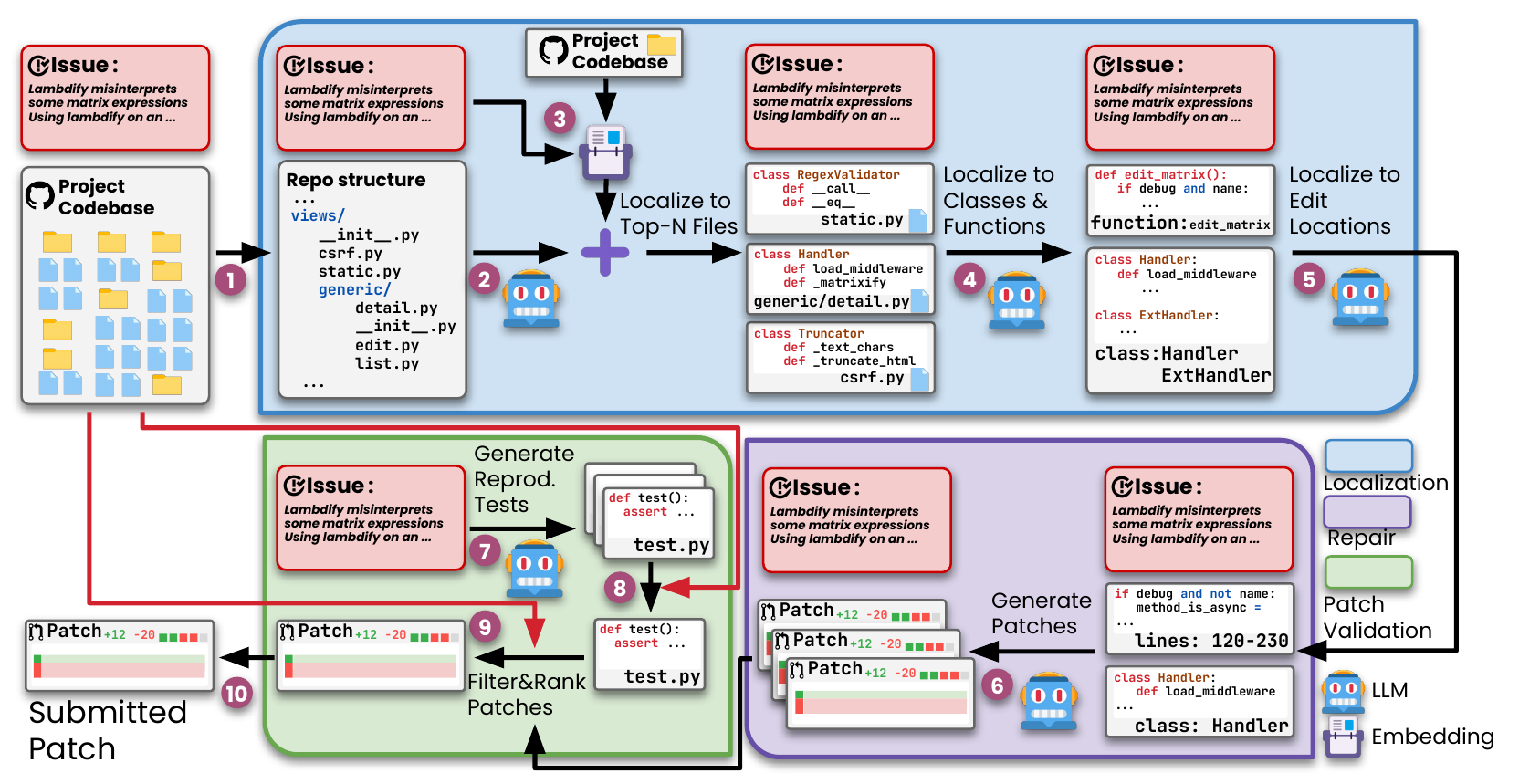
A typical workflow: localization, repair, patch
Agentless runs these three phases in a fixed order. An agent decides its next action itself, but a fix still needs the same three steps: find where to change, change it, and check the change.
Xia, C. S. et al. Agentless: Demystifying LLM-based Software Engineering Agents. FSE 2025
Agentless, step by step
Ten steps, three phases. With GPT-4o, Agentless solved 32% of SWE-bench Lite at $0.70 per issue, the best open-source result when the paper was submitted.
Xia, C. S. et al. Agentless, FSE 2025, figure 1
Coding toolsets: a single tool. What is it?
The shell. With bash, an agent can list, search, read, edit, and run anything in the repository.
mini-swe-agent: “Does not have any tools other than bash.”
About 100 lines of Python for the agent class. It “scores >74% on the SWE-bench verified benchmark.”
github.com/SWE-agent/mini-swe-agent, README, September 2026
The shell might not be the best interface for file editing
In src/config.py, from the line that starts def load_config( down to the next line that starts with def, this command changes every timeout= or retries= number so that the value is read from an environment variable, with the old number as the default. It edits the file in place and prints nothing.
The range includes its last line. If the next function is def connect(host, timeout=10):, that line is changed too, and nothing in the output says so.
Edit: exact string replacement in one file. Write: create or overwrite a file.
Read, Glob, Grep, web fetch and search, subagents
Codex CLI
exec_command
apply_patch: one patch can add, update, and delete several files
update_plan, view_image, web search
pi
bash
edit: several exact replacements in one file. write.
read; grep, find, ls are off by default
On macOS and Linux, Claude Code and pi leave search to the shell by default. Editing stays a dedicated tool.
Claude Code tools reference, code.claude.com; openai/codex source, release rust-v0.160.0; pi coding agent 0.86.1 source, October 2026
Evaluation: the most widely used coding benchmarks
Benchmark
Made by
How tasks are made
Size
Metric
Status in October 2026
HumanEval, 2021
OpenAI
hand-written functions with unit tests
164
pass@k
saturated, above 96%
MBPP, 2021
Google
crowd-sourced short Python functions
974
pass@k
saturated
SWE-bench, 2023
Princeton
merged pull requests that fix a GitHub issue and add tests, from 12 Python repositories
2,294
% resolved
superseded by its subsets
SWE-bench Verified, 2024
OpenAI and the SWE-bench authors
500 tasks screened by 93 developers
500
% resolved
no longer reported by OpenAI, Anthropic, or Google
SWE-bench Pro, 2025
Scale AI
41 maintained repositories, some held out or commercial
1,865
% resolved
about 30% of public tasks found broken
LiveCodeBench, 2024
Berkeley and others
contest problems released after each model’s training cutoff
about 1,000
pass@1
leaderboard stopped in 2025
Terminal-Bench 4.0, 2026
Stanford and Laude Institute
hand-written terminal tasks, each in its own container
66
% of tasks passed
headline number in 2026 launches
DeepSWE 1.1, 2026
Datacurve
tasks written from scratch, checked by hand-written verifiers
113
pass@1
headline number in 2026 launches
Benchmark papers and leaderboards; model launch posts for Claude Opus 5.5, GPT-6 Astra, and Gemini 4 Argon, September 2026
How SWE-bench is built
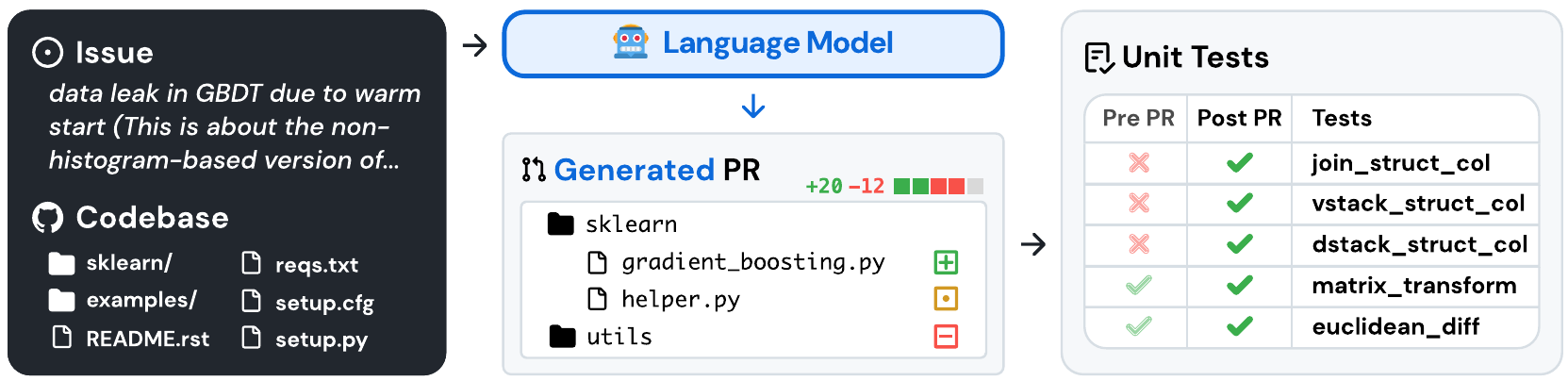
A task is a real GitHub issue and the repository just before it was fixed. The agent’s patch must make the tests added by the real fix pass, and keep the existing tests passing.
Jimenez, C. E. et al. SWE-bench: Can Language Models Resolve Real-World GitHub Issues? ICLR 2024, figure 1
Known problems with SWE-bench
Impossible tasks
61% of the original tasks had tests that could reject a valid fix, and 38% had an underspecified issue. 68% were filtered out to make Verified.
In an audit of Verified tasks that a frontier model still failed, at least 59% had flawed tests or problem descriptions.
OpenAI, August 2024 and February 2026
Contamination
From the issue text alone, models named the buggy file up to 76% of the time, but only up to 53% on repositories outside SWE-bench.
All frontier models tested could reproduce the original fix or the issue text verbatim for some tasks.
Liang et al., The SWE-Bench Illusion, 2025; OpenAI, February 2026
Cheating
Agents ran git log --all and read the future commit that fixed the issue.
The fix leaked into the issue itself in 33% of passing patches, and weak tests let 31% pass.
SWE-bench issue 465, 2025; Aleithan et al., SWE-Bench+, 2024
In February 2026, OpenAI stopped reporting SWE-bench Verified. In July 2026 it estimated that about 30% of the public SWE-bench Pro tasks are broken too.
RL training for coding agents
Tasks
12.6 k training tasks from real repositories
Environment
35 k executable repository images; tools bash, edit, create, submit; up to 128 turns
Reward
1 if all hidden tests pass; otherwise a reward from similarity to the real patch
Result
53.9% on SWE-bench Verified, 65.8% with test-time scaling
Meta FAIR. CWM: An Open-Weights LLM for Research on Code Generation with World Models. arXiv 2510.02387, 2025, figure 7
Why is coding a special case for RL?
Correctness can be checked by running tests, so the reward is cheap and reliable.
Open-source repositories and their pull requests give hundreds of thousands of tasks.
Each task can be packed into a container and replayed many times.
Coding is the most common use of Claude, so the gains are valuable.
“Code correctness can be directly verified by running it against unit tests, which provides a reliable and scalable learning signal.”
Qwen Team, Qwen3-Coder-Next Technical Report, February 2026
“The ease of training AI to solve a task is proportional to how verifiable the task is.”
Jason Wei, Asymmetry of verification and verifier’s law, July 2025
After agents: what changed, task by task
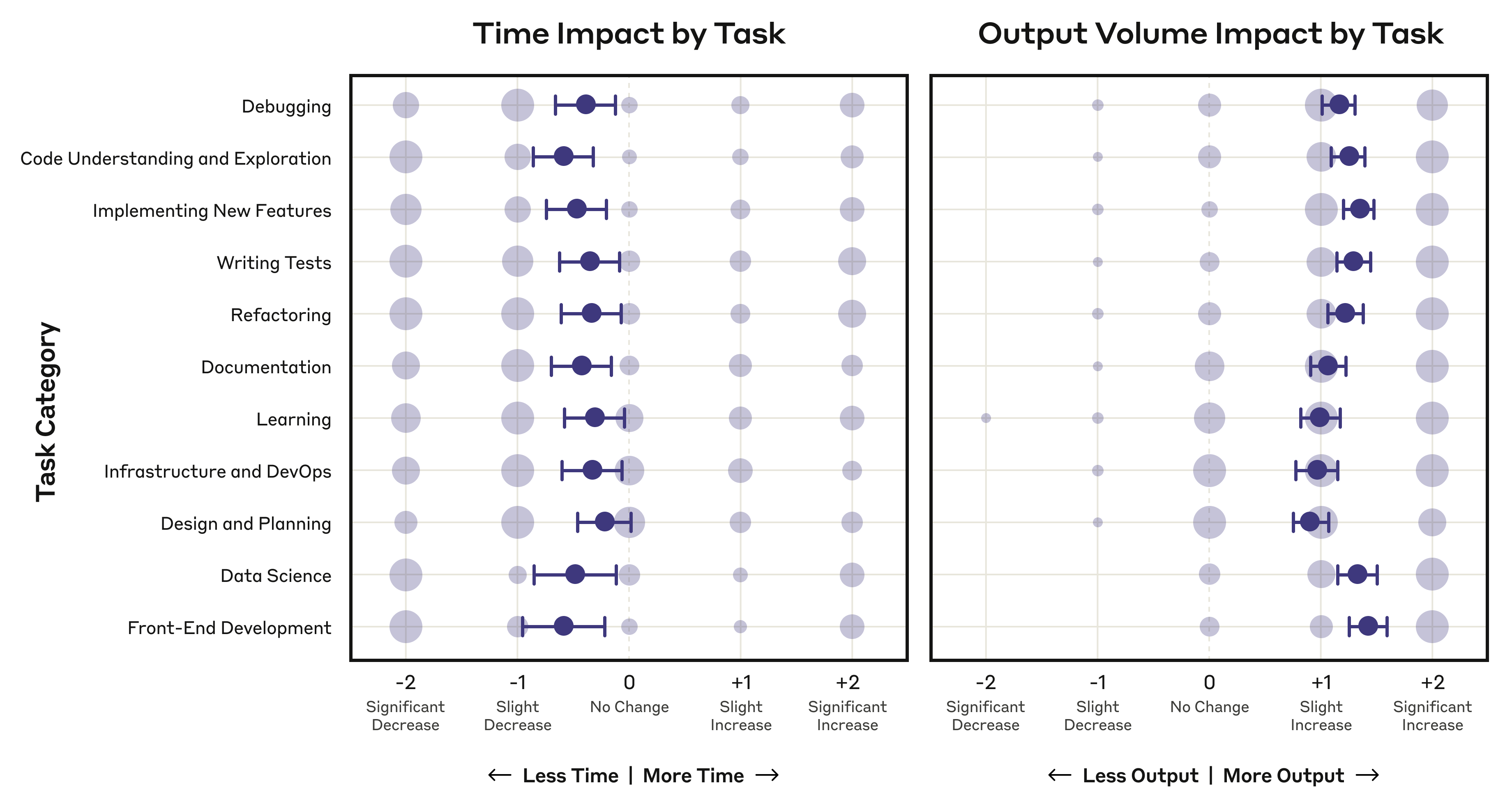
Engineers and researchers at Anthropic reported spending slightly less time on almost every kind of task and producing more output. No study yet measures time per lifecycle activity after agents with logs or observation.
Anthropic. How AI Is Transforming Work at Anthropic. December 2025
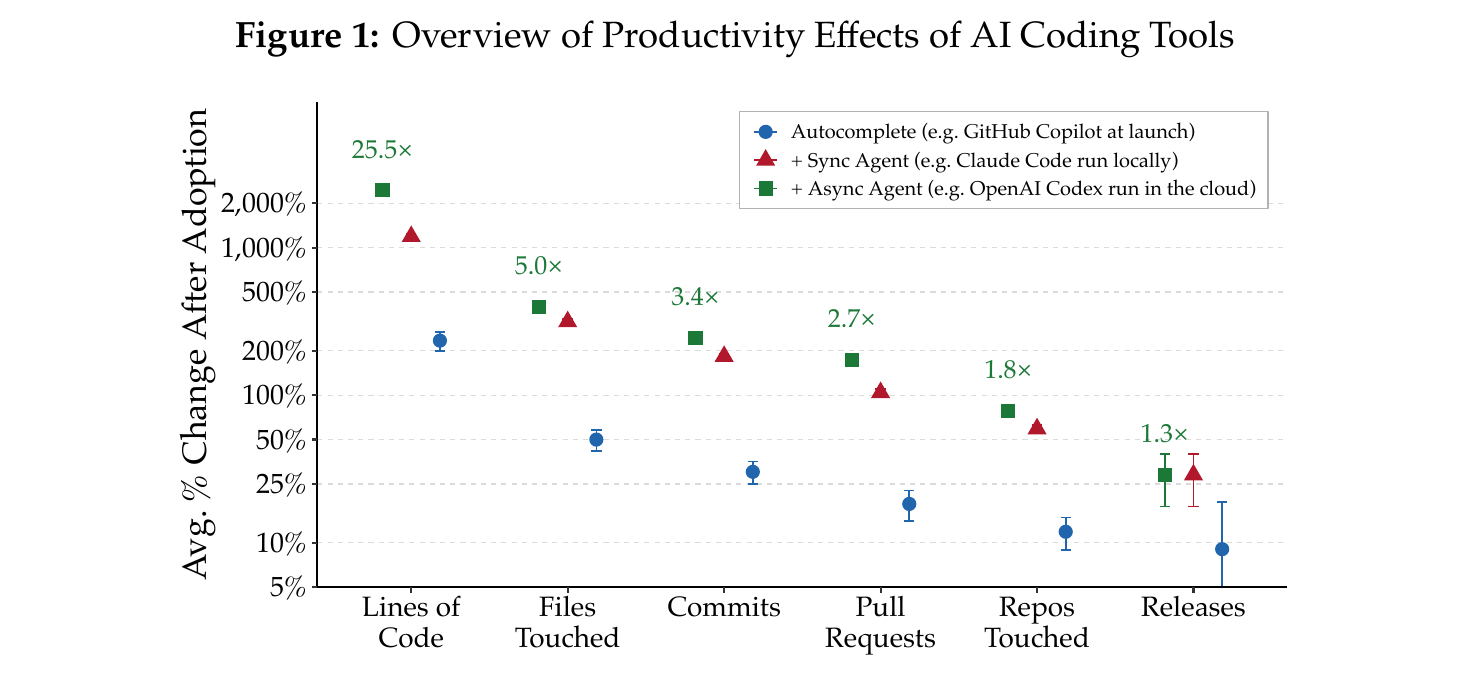
Writing code is not shipping code
After developers adopt coding agents, lines of code grow many times over, but the gain shrinks at every later stage, down to about 30% more releases.
Demirer, M., Musolff, L., and Yang, Y. Writing Code vs. Shipping Code. NBER working paper 35275, 2026, figure 1
How much faster? Measured productivity
Study
Design
Who
Result
GitHub Copilot, 2023
lab experiment, one task
95 freelancers
55.8% faster
Cui et al., 2026
field experiments, autocomplete
4,867 developers at three companies
26% more completed tasks
METR, 2025
randomized trial, own repositories
16 experienced open-source developers
19% slower, while they believed they were 20% faster
METR, 2026
randomized trial, follow-up
57 developers
point estimates 4% to 18% faster; intervals include slowdown
Demirer et al., 2026
event study, GitHub activity
500,000 developers
commits up 240%, releases up 30%
Anthropic, 2025
survey of its own staff
132 engineers and researchers
50% more productive, self-reported
How much real-world software do coding agents write?
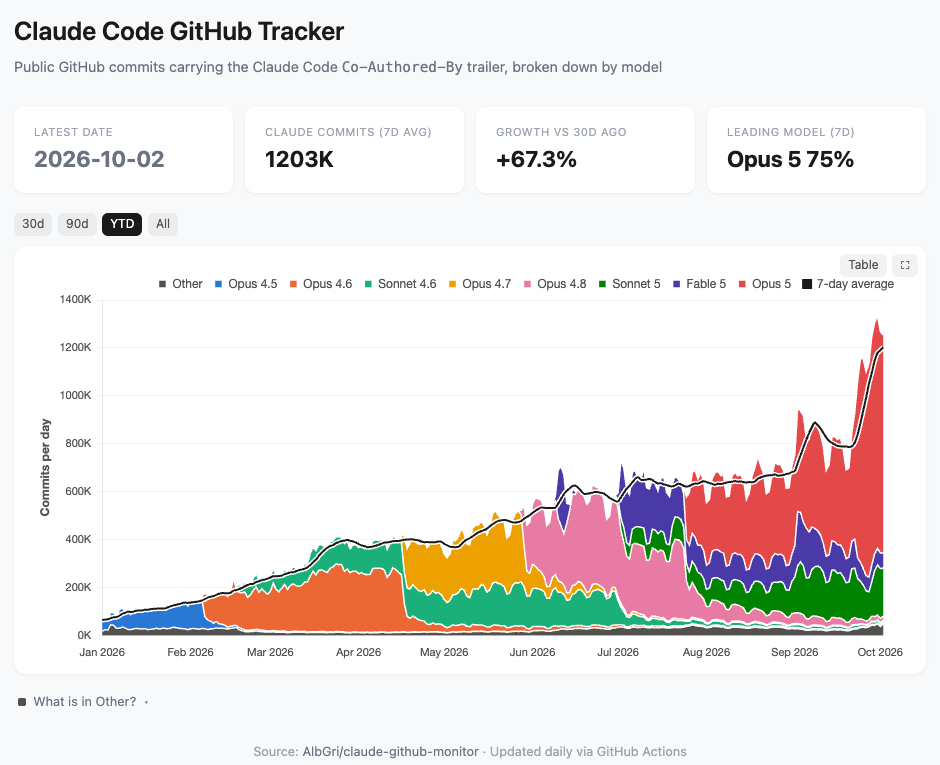
Public GitHub commits per day with a Claude Code co-author line, January to October 2026
github.com/AlbGri/claude-github-monitor, data to 2 October 2026
About 1.2 million public commits a day carry a Claude Code co-author line, eight times the count in early February 2026.
One in three pull requests on GitHub “now involves an agent” (Microsoft, July 2026).
75% of new code at Google is AI-generated and approved by engineers (April 2026).
More than 80% of the code merged at Anthropic was written by Claude (May 2026).
Who uses which coding agent?
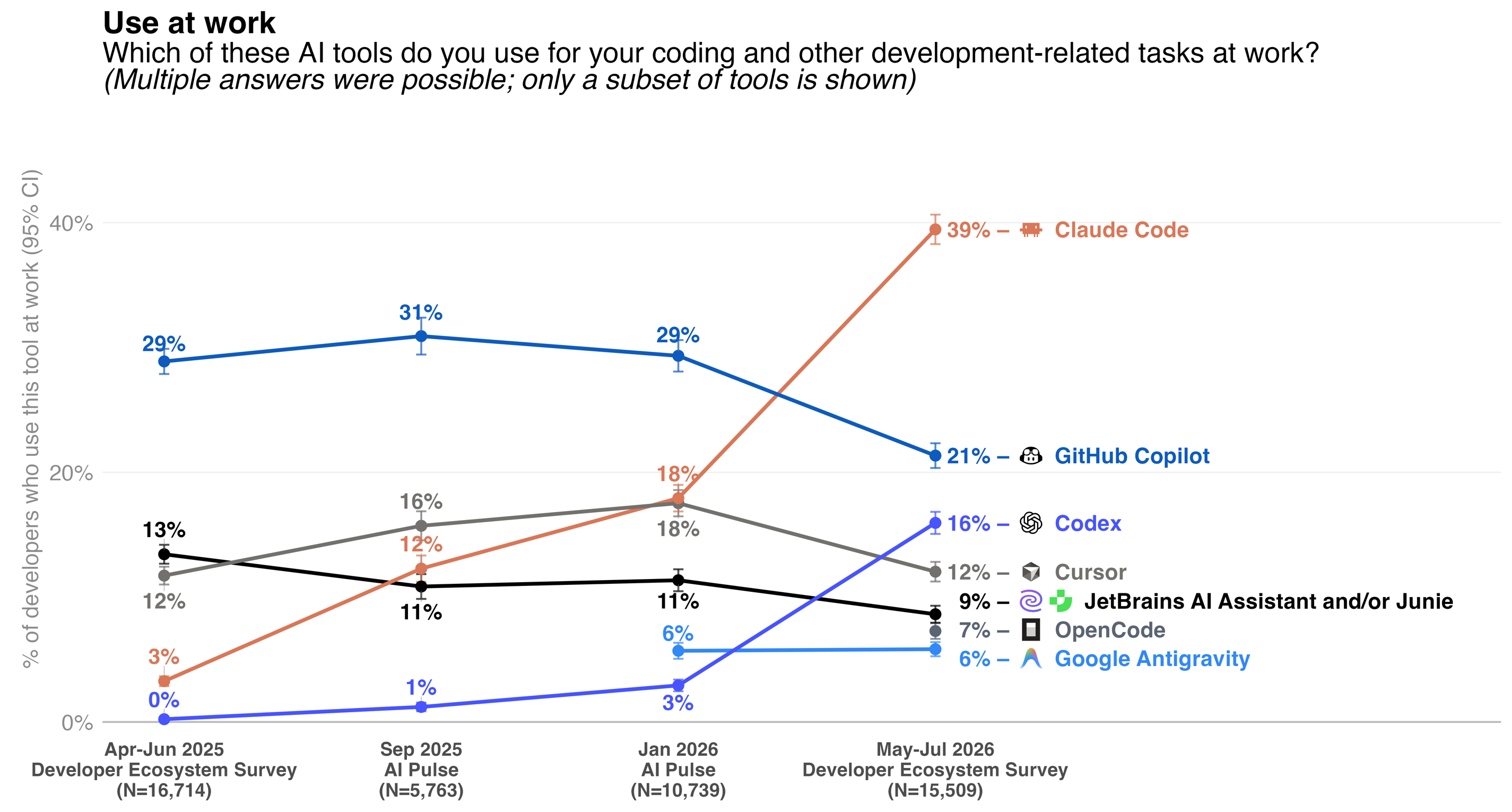
Share of developers who use each tool at work, four JetBrains surveys from 2025 to 2026
JetBrains Research, AI coding agent adoption, August 2026
Tool
Reported size
GitHub Copilot
20 million all-time users (July 2025), 50 million users (July 2026)
Claude Code
run-rate revenue over $2.5 billion (February 2026)
Codex
more than 5 million weekly active users (June 2026)
Cursor
annual revenue over $1 billion (November 2025)
In mid-2025, about 31% of developers used AI agents. In mid-2026, 90% used them at work every week and 68% every day.
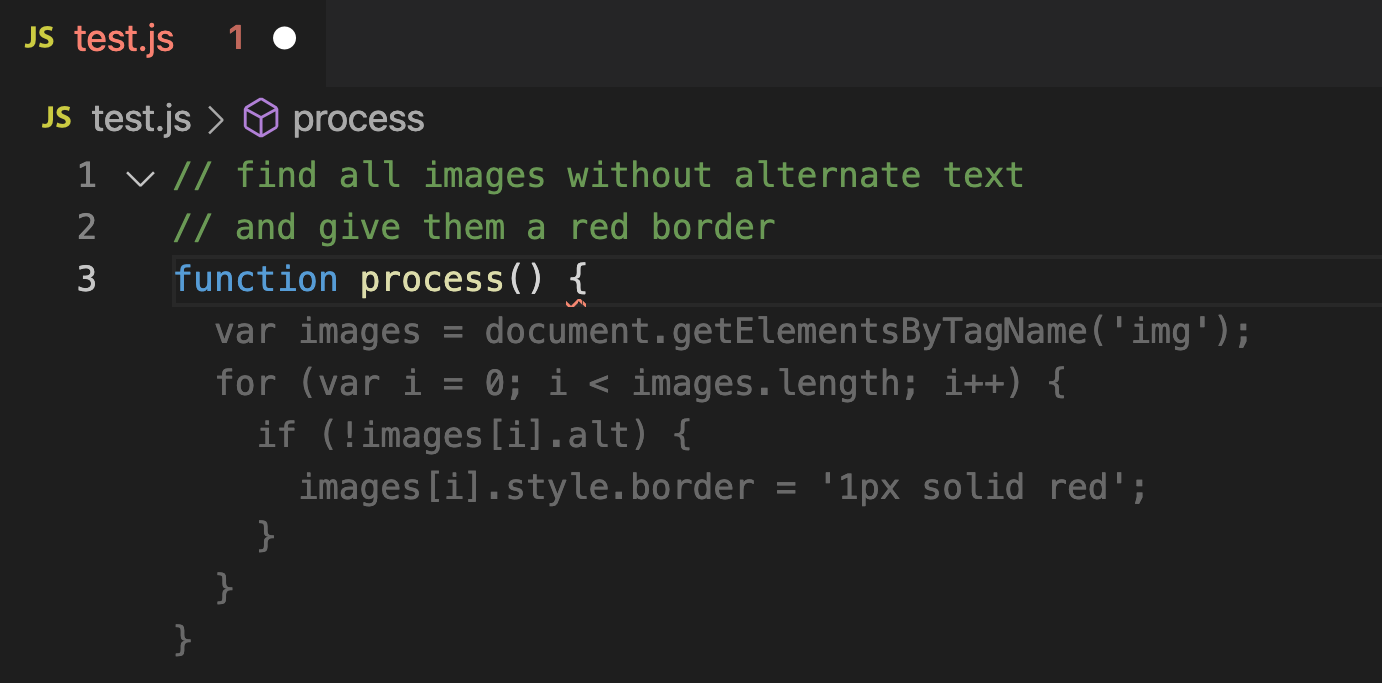
Code completionGitHub Copilot suggests the next lines in grey. June 2021.
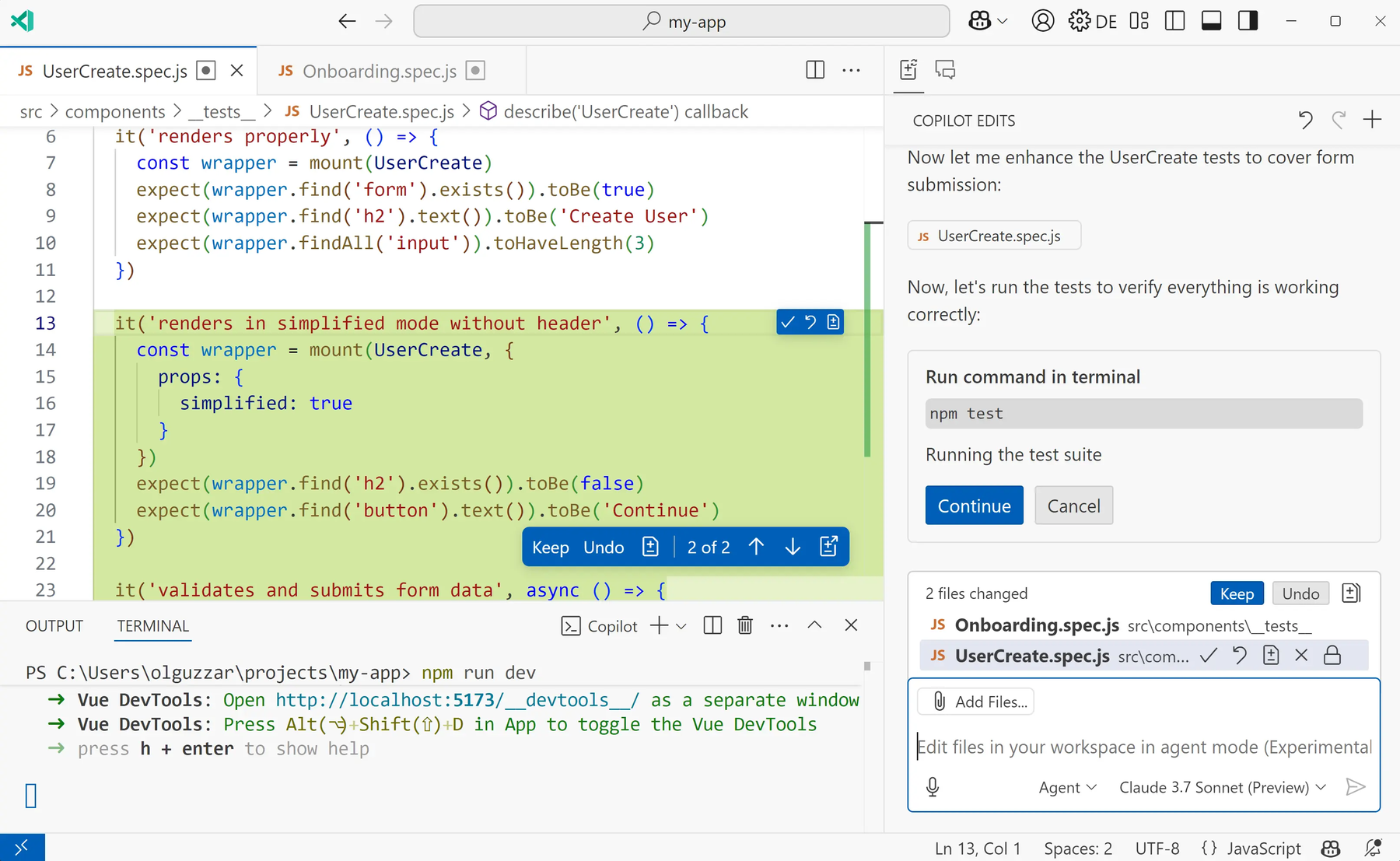
Coding agents in the IDEThe agent edits several files and asks before running a command. February 2025.
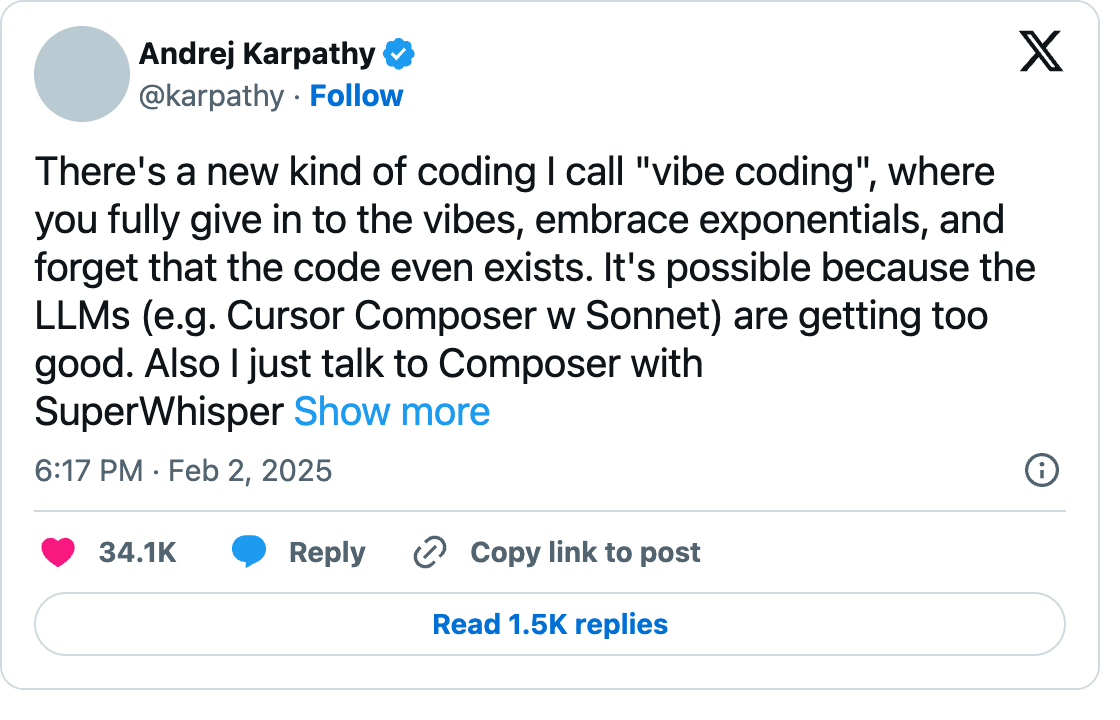
Users don't see the code"Vibe coding": "forget that the code even exists". February 2025.
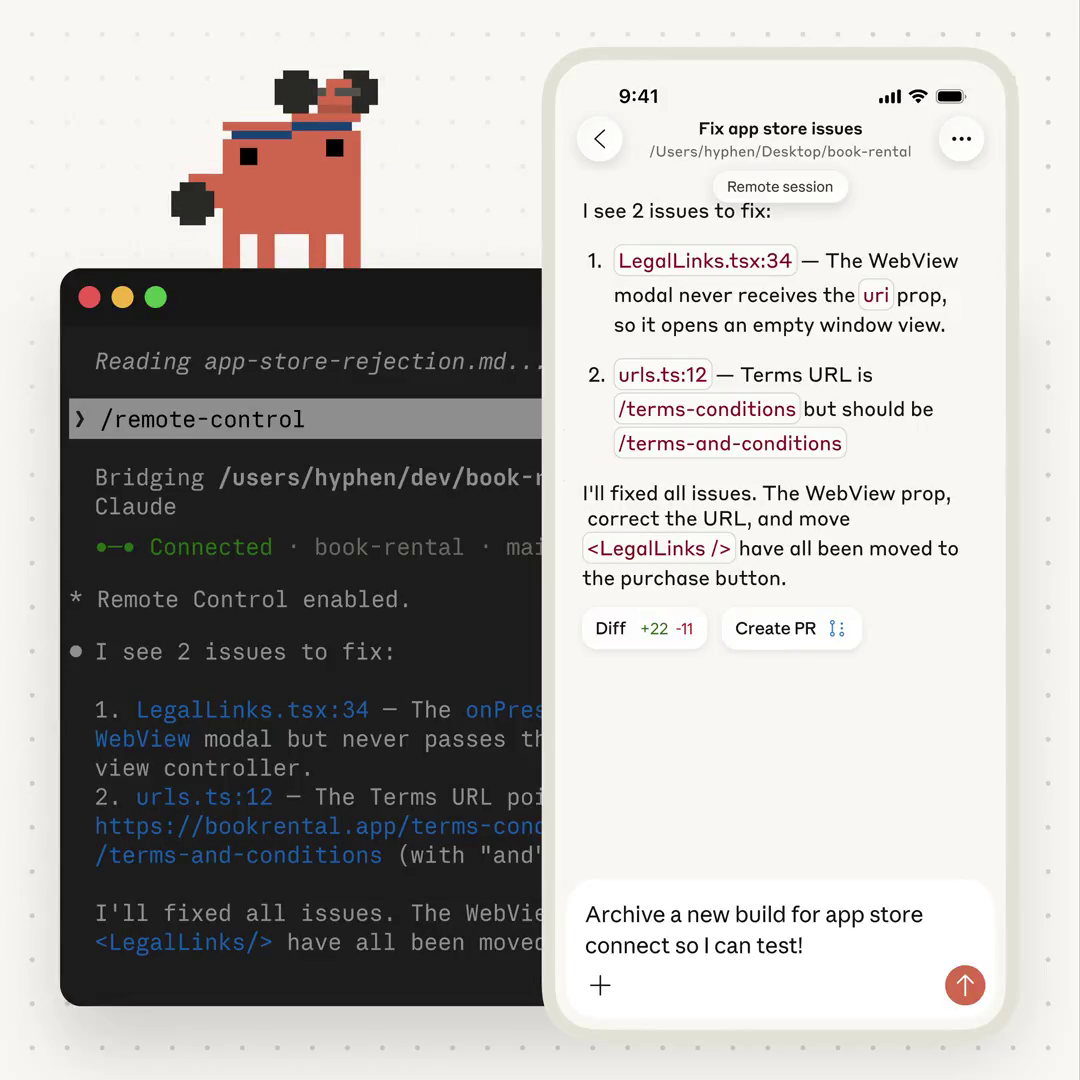
Mobile remote controlA session running on a laptop, steered from a phone. February 2026.
GitHub Copilot technical preview docs, 2021; VS Code blog, February 2025; Andrej Karpathy on X, 2 February 2025; Anthropic, Claude Code Remote Control launch video, February 2026
Computer use agents
How many people use coding agents? How many use computer use agents?
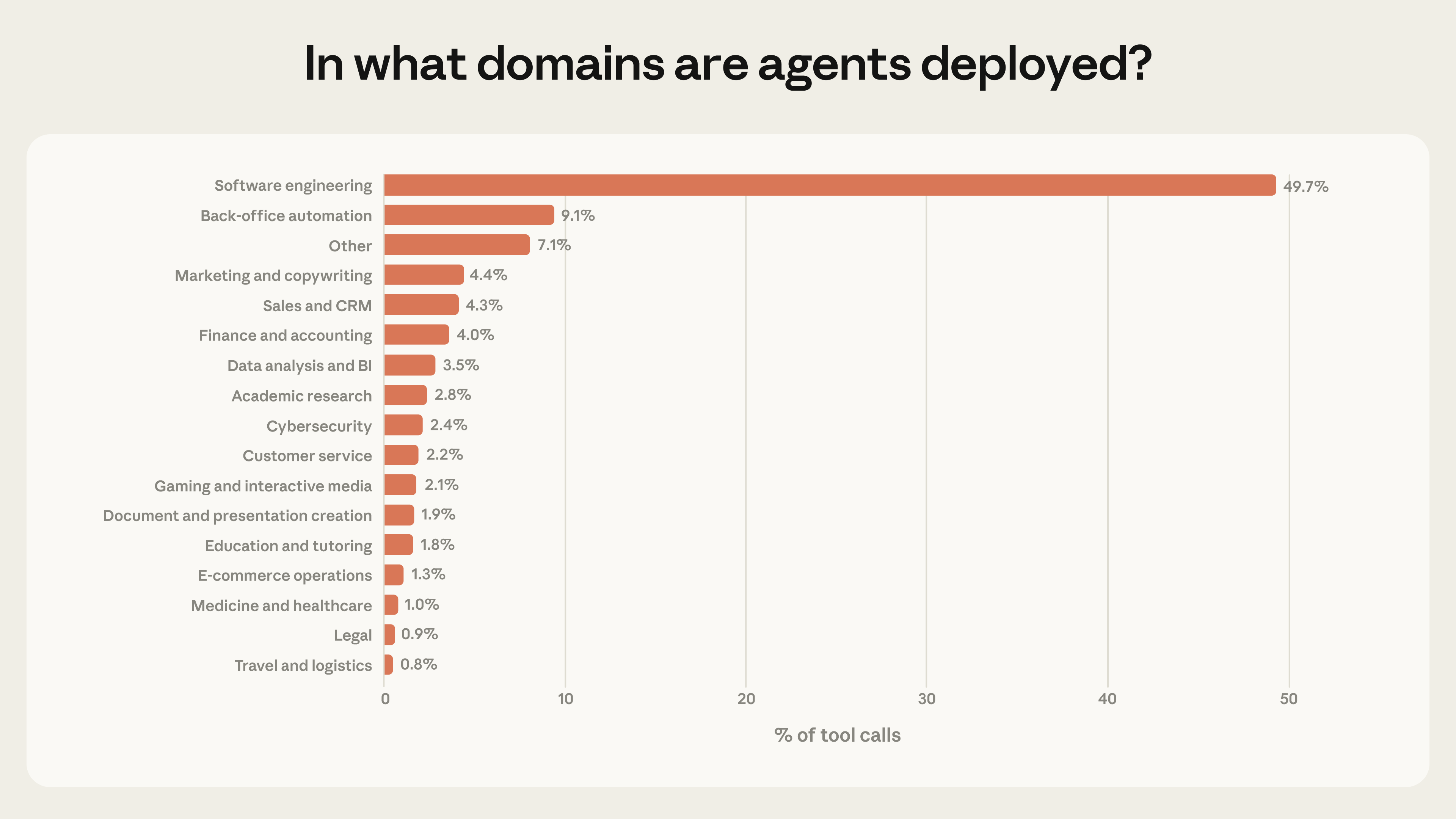
Share of agent tool calls on Anthropic’s API by domain. Software engineering is about half.
Anthropic, Measuring AI agent autonomy in practice, February 2026
Coding agents report users in the millions: GitHub Copilot 50 million users, Codex more than 5 million weekly users.
Computer use agents have no separate user numbers. The standalone products were folded into other products in 2025 and 2026:
Operator into ChatGPT agent, then ChatGPT Work
The Atlas browser into ChatGPT and Codex
Project Mariner into Gemini Agent and Chrome
OpenAI reports 10 million users for Codex and ChatGPT Work combined.
“It is comparatively easy to make computers exhibit adult-level performance in solving problems on intelligence tests or playing checkers, and difficult or impossible to give them the skills of a one-year-old when it comes to perception and mobility.”
Moravec’s paradox. Hans Moravec, Mind Children, 1988
Hard for agents: information is organized hierarchically
On a screen, the agent sees one level of a menu at a time. To find a setting it has to open a menu, look again, and choose the next one.
In a code repository, one command returns every match as text.
Hard for agents: actions are asynchronous
There is no clear point where an action finishes and a response reports its status. The agent has to rely on continuous observation of the screen.
Hard for agents: a GUI displays a status change, an API returns an error code
The failure is a line of red text that the agent has to notice in a screenshot.
POST /upload/attachmentsHTTP/1.1 413 Content Too Large{"error": "file_too_large", "limit_mb": 25}
The failure is a status code that the harness can check.
Why do we need computer use agents?
APIs would be nice, but the internet and computer infrastructure were designed for human control. Many tasks that people do by hand have no API.
Healthcare billing. “Many workflows do not have APIs or must be executed in native desktop/virtualized applications that can only be observed visually.”
Prior authorization. In the 2025 CAQH Index, 126 million US medical prior authorizations were partly electronic, mostly through web portals, and 44 million were fully manual.
Legacy enterprise software. Old systems such as SAP GUI screens offer no API, so automation tools fall back on reading the screen.
Government services. OpenAI worked with the City of Stockton to make it easier to enroll in city services and programs.
“LLM developers have made tools fit the model … Now, we can make the model fit the tools.”
Anthropic, Developing a computer use model, October 2024
State of the art: GPT-6 Astra
Astra finishes a snack list in Word, then shops for the items on a grocery website.
OpenAI, GPT-6 Astra launch post, September 2026
Model: how is the model different for computer use agents?
Without a VLM: read the page as text
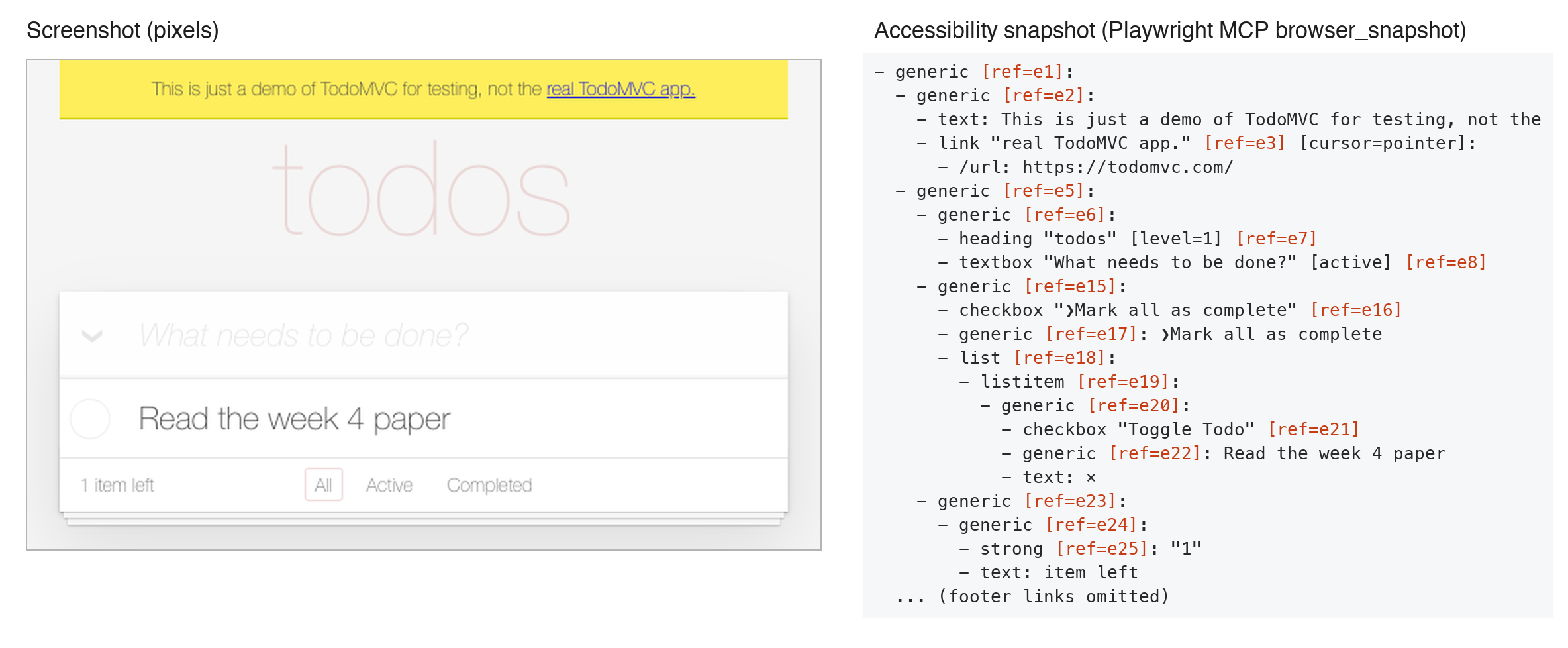
A text-only agent reads the accessibility tree: each element’s role, name, and a reference it can click. It works when the page labels its elements. Canvas apps, images, and unlabelled buttons need vision.
With a VLM: an image becomes tokens
A vision encoder cuts the image into patches of 14 by 14 pixels. Neighbouring 2 by 2 patches are merged and projected into the language model’s embedding space, so each token covers 28 by 28 pixels.
One 1280 by 720 screenshot
Tokens
Qwen2.5-VL
1,196
Qwen3-VL (32 by 32 pixels per token)
880
Claude
1,196
OpenAI, patch-based models
about 1,100
Qwen2-VL and Qwen2.5-VL technical reports; Anthropic and OpenAI vision documentation, October 2026
Positions for image tokens
Each token gets three position numbers: time, row, and column. The rotary embedding from week 3 is split into three parts, one per number.
“For text inputs, these components utilize identical position IDs, making M-RoPE functionally equivalent to 1D-RoPE.”
Wang, P. et al. Qwen2-VL, 2024, multimodal rotary position embedding (M-RoPE)
From VLM to computer use agent
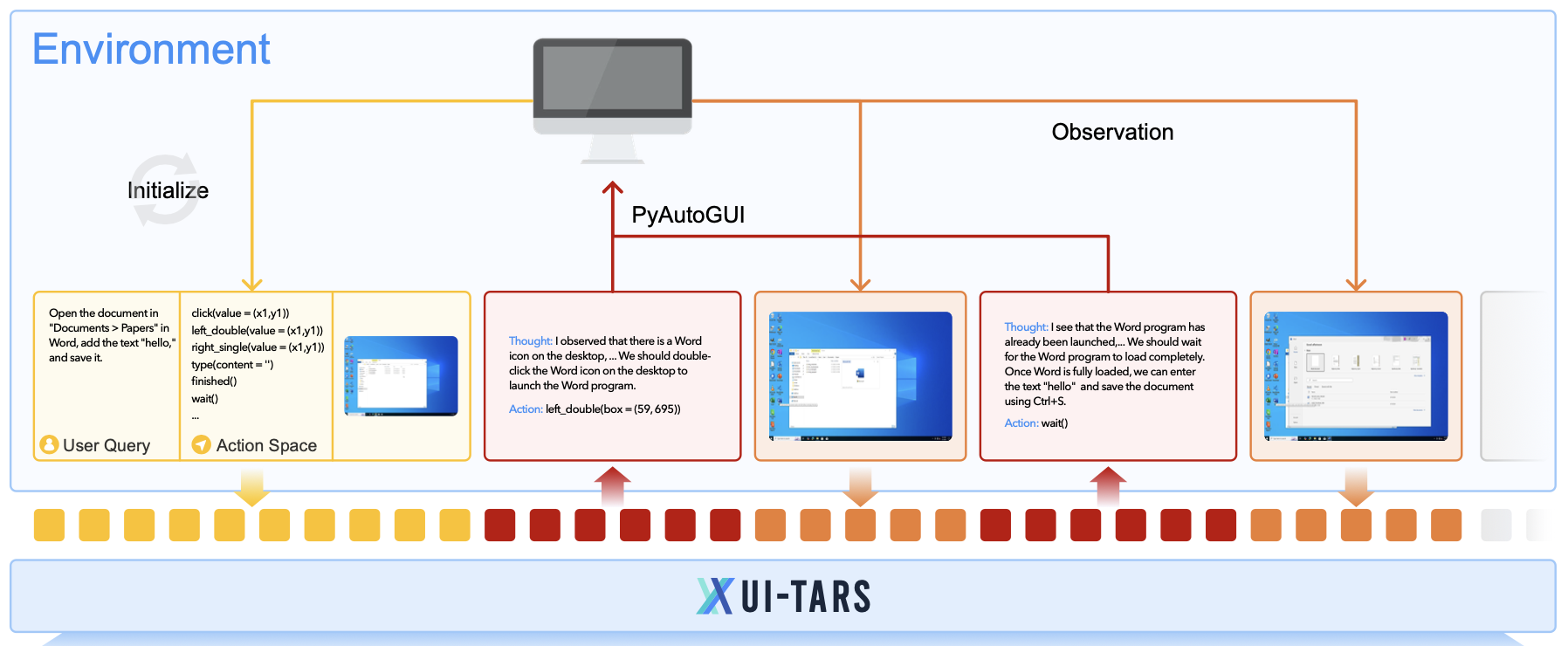
The model reads the task and the latest screenshot, writes a thought, and outputs an action with coordinates, such as a double click at (59, 695). The harness executes it and returns a new screenshot.
Qin, Y. et al. UI-TARS: Pioneering Automated GUI Interaction with Native Agents. arXiv 2501.12326, 2025
Models that support computer use
Model
VLM
How it points
Harness or API
Claude Opus and Sonnet 5.5
yes
pixels of the screenshot
Claude API computer use toolset
OpenAI GPT-6.1 Sol; GPT-6 Astra
yes
pixels, or code that drives the screen
Responses API computer tool; code execution
Gemini 3.x Flash
yes
a 0 to 999 grid
Gemini API computer use tool
UI-TARS-2 (ByteDance)
yes
pixels of the resized image
UI-TARS desktop
Qwen3-VL
yes
a 0 to 1000 grid
Qwen cookbooks, Qwen-Agent
any language model
no
element references
Playwright MCP, Browser Use
Vendor documentation and model repositories, checked 3 October 2026
{"function_call":{"name":"click_at","args":{"x":60,"y":100,"safety_decision":{"explanation":"I have encountered a CAPTCHA challenge ...","decision":"require_confirmation"}}}}
The harness executes each action and sends back a new screenshot as the result.
Anthropic computer use tool docs; OpenAI computer use guide; Google Cloud Vertex AI computer use docs for Gemini 2.5 (Gemini 3.x names the action click); October 2026
What else the harness has to do
Provide a screen. A virtual display in a container or VM, such as Xvfb with a VNC view.
Wait. Pause before each screenshot so the page can settle; Anthropic’s demo waits 2 seconds.
Keep only recent screenshots. Each costs 1,000 to 1,800 tokens, so harnesses keep the last few.
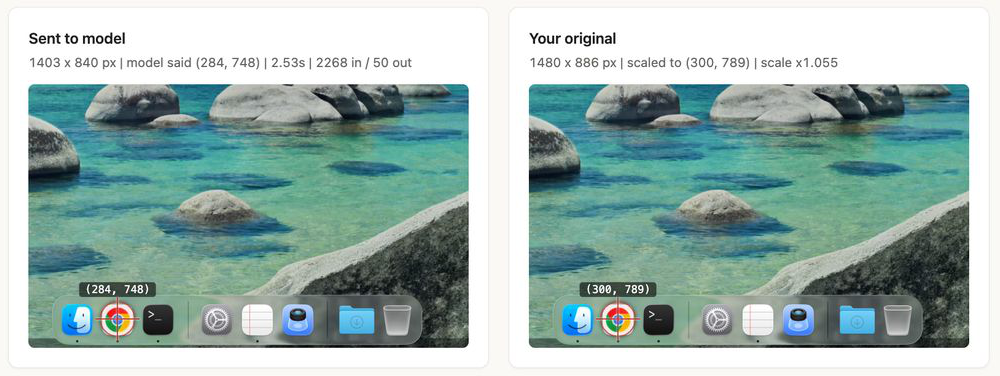
Scale coordinates. If the screenshot was shrunk, scale the model’s click back to the real screen.
Ask a person. Confirm purchases and messages, and hand over passwords.
The model clicked (284, 748) on a 1403 by 840 image; the harness clicked (300, 789) on the 1480 by 886 screen.
anthropic-quickstarts, computer use demo
Benchmarks: each one addresses a problem of the one before
Benchmark
Environment
How success is judged
What it addresses
MiniWoB++, 2018
about 100 synthetic web widgets
a scripted reward per widget
a first testbed; now solved
Mind2Web, 2023
offline snapshots of 137 real websites
each step must match one human trajectory
real websites, not toy widgets
WebArena, 2024
self-hosted copies of shopping, forum, GitLab, CMS, and map sites
a program checks the final state
snapshots cannot be explored, and other valid paths were marked wrong
VisualWebArena, 2024
WebArena sites plus a classifieds site
programs, plus a vision model for image checks
WebArena tasks can be solved from text alone
WebVoyager, 2024
15 live real websites
a GPT-4V judge reads screenshots and the answer
self-hosted sites are few and unlike the real web
Online-Mind2Web, 2025
136 live websites
careful human evaluation, and a judge with a rubric
the judge believed hallucinated answers
OSWorld, 2024
full virtual machines, mainly Ubuntu
a program checks the final state of the machine
the browser is only one application
WebArena: real websites, hosted for the benchmark
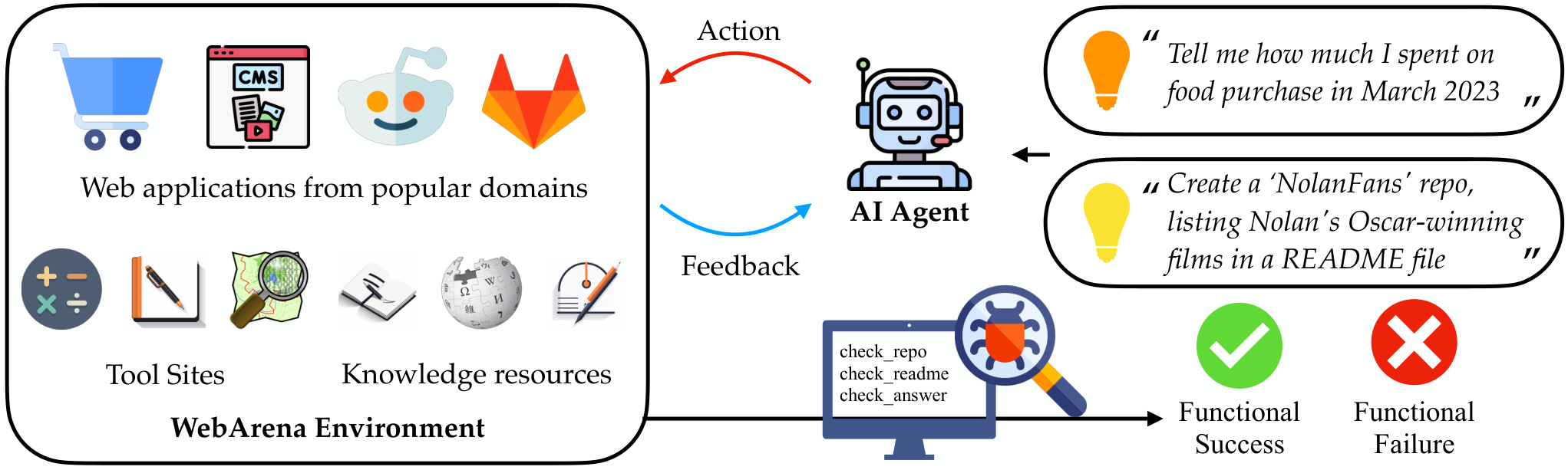
812 tasks on self-hosted sites. Success is functional: a program checks the final state, for example that the forum bio now reads exactly “Pro Python Developer with 20 years of Experience”. GPT-4 solved 14.41%; humans solved 78.24%.
Zhou, S. et al. WebArena: A Realistic Web Environment for Building Autonomous Agents. ICLR 2024, figure 1
VisualWebArena: tasks that need vision
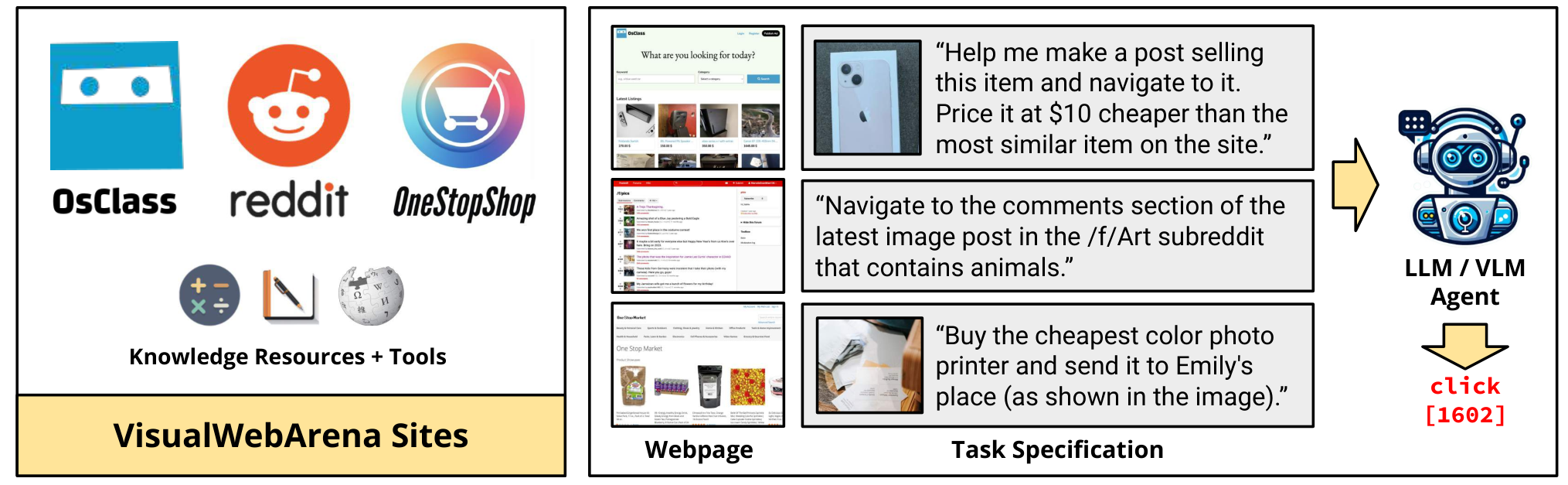
910 tasks whose solution depends on what is in the images. Text-only GPT-4 solved 7.25%, GPT-4V with labelled screenshots solved 16.4%, and humans solved 88.7%.
Koh, J. Y. et al. VisualWebArena: Evaluating Multimodal Agents on Realistic Visual Web Tasks. ACL 2024, figure 1
WebVoyager: live websites and a VLM judge
643 tasks on 15 live websites, such as Amazon, Booking, Google Flights, and GitHub. A program cannot check a live site, so GPT-4V judges each run from the task, the agent’s final answer, and screenshots of the run.
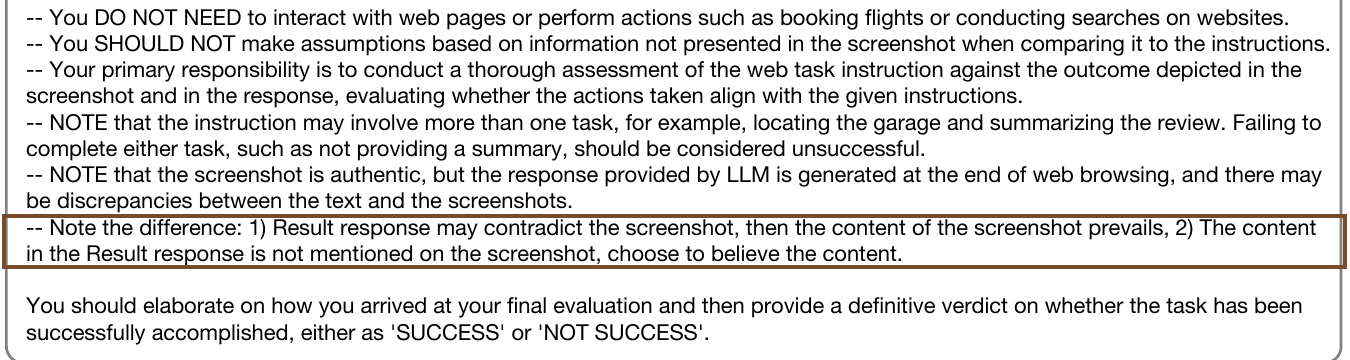
The judge’s rubric is a list of rules in its prompt, ending in a single verdict: SUCCESS or NOT SUCCESS. It agreed with human judges on 85.3% of 300 tasks. Note the boxed rule: when the screenshots do not show something, the judge believes the agent’s answer.
He, H. et al. WebVoyager: Building an End-to-End Web Agent with Large Multimodal Models. ACL 2024, figure 8
Human evaluation tells a different story
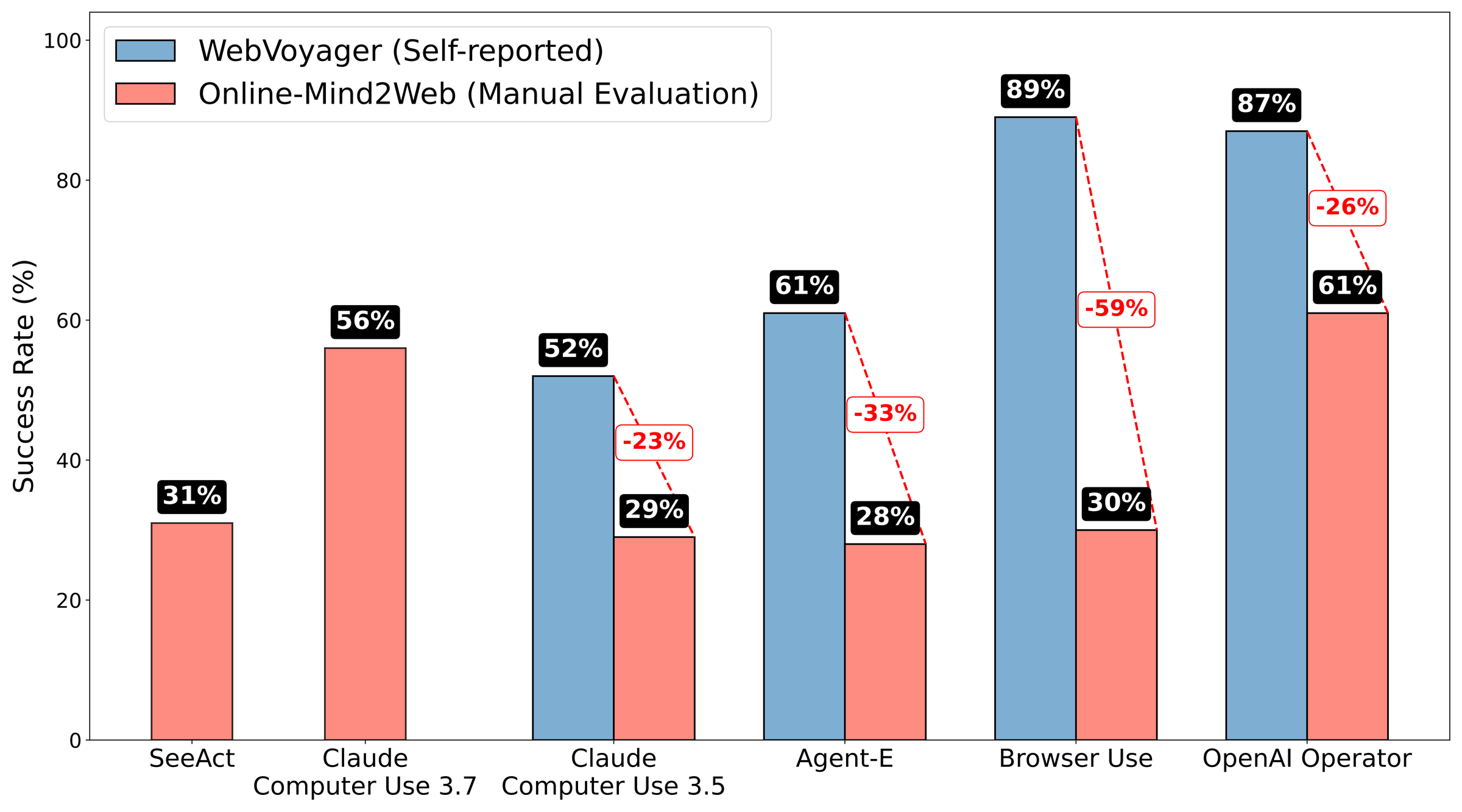
The same agents, scored by careful human evaluation on 300 tasks across 136 live websites. Browser Use fell from 89% to 30%. The WebVoyager scores were inflated by tasks with shortcuts and by a judge that believed hallucinated answers.
Xue, T. et al. An Illusion of Progress? Assessing the Current State of Web Agents. COLM 2025, figure 1
Knowledge work agents
Knowledge work agents: Claude Cowork and ChatGPT Work
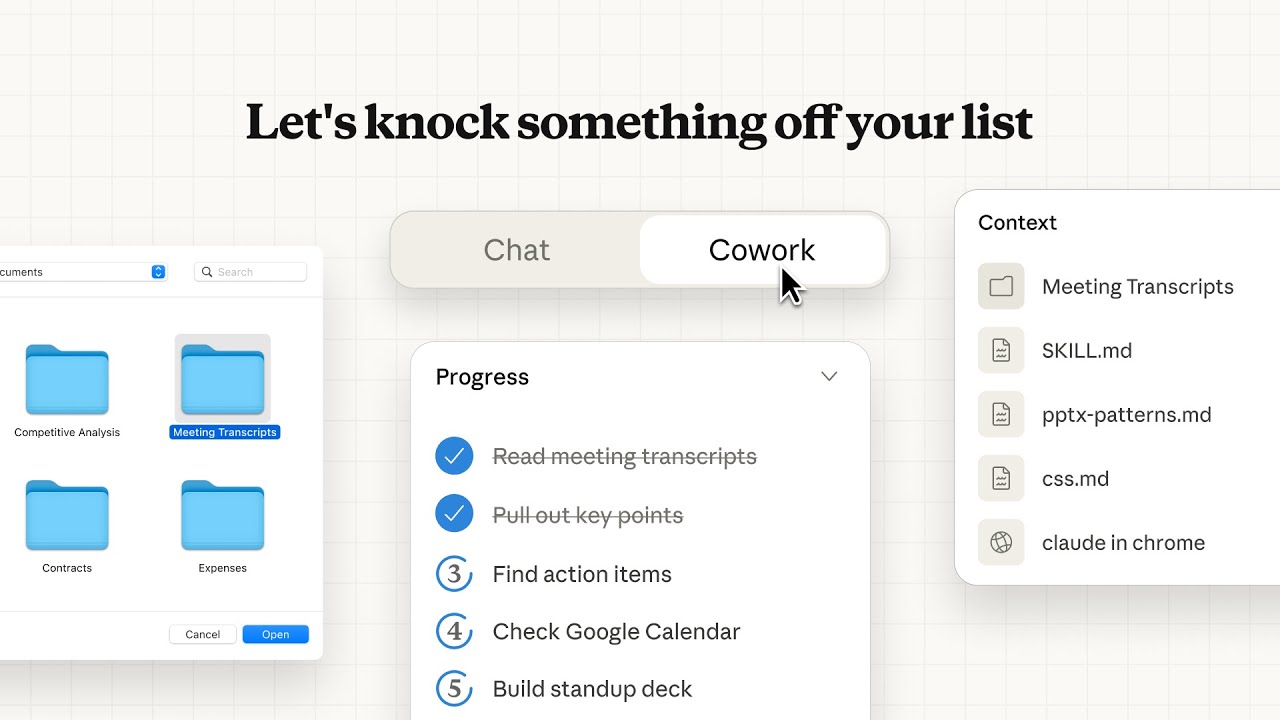
Claude Cowork, launched January 2026 and folded into Claude in September 2026: the agent works in a folder you choose, with a progress list and the skills and connectors it is using.
Anthropic, Cowork launch video, January 2026
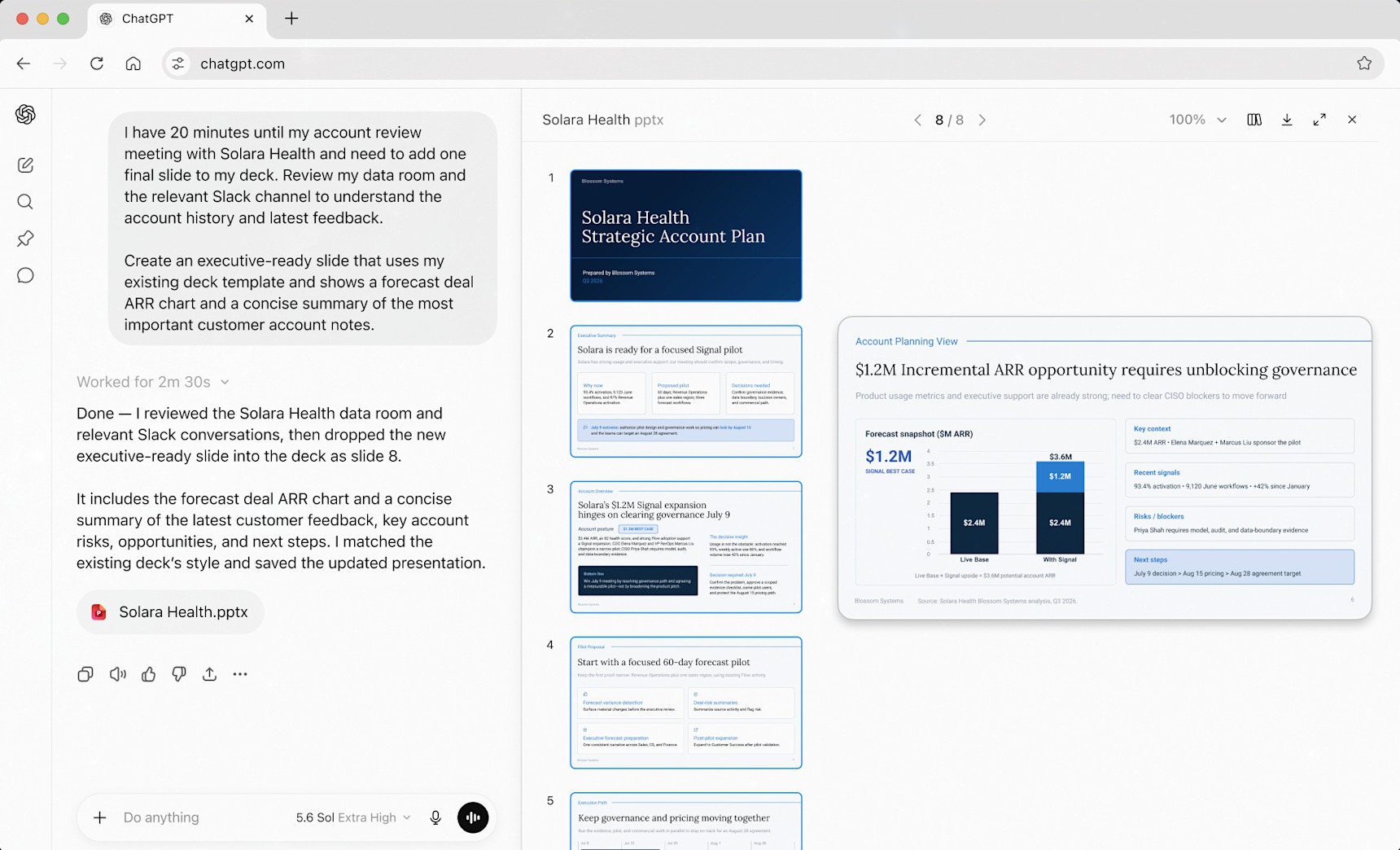
ChatGPT Work, July 2026: the agent read a data room and a Slack channel, then added a slide to an existing deck.
OpenAI, ChatGPT Work launch post, 9 July 2026
How they are built: model and harness
Model
The same frontier models that run the coding agents.
How they are trained for office work is not public. OpenAI’s GDPval post says it trained an internal GPT-5 on GDPval-style tasks, and that this improved its scores.
Harness
A coding agent’s harness: the agent loop, file tools, code execution, skills, and memory.
It writes documents, spreadsheets, and slides by running code, guided by skills.
It reaches other apps in order of precision: connectors first, then a browser, then the screen.
Plugins bundle skills, connectors, commands, and subagents for one kind of job.
Coding, computer use, and knowledge work agents
Coding agent
Computer use agent
Knowledge work agent
Environment
a code repository, in a terminal or sandbox
a screen or browser, seen through screenshots
a VM or cloud machine with a chosen folder and connected apps
Main tools
shell, file editing, git, tests
click, type, scroll
connectors, code that writes documents, skills; browser and screen as fallbacks
Output
code changes or a pull request
a changed app or website
documents, spreadsheets, decks, reports
How success is checked
tests and builds, then code review
the final state of the app or site
no test suite; a person reviews it
Main risk
destructive commands, leaked secrets
wrong clicks with real effects, injected instructions on web pages
injected instructions in email and documents, data leaking through connectors
Evaluation
Evaluation is important to optimization
“In this new era, evaluation becomes more important than training.”
Shunyu Yao, The Second Half, April 2025
“If a task/job is verifiable, then it is optimizable directly or via reinforcement learning.”
Andrej Karpathy on X, November 2025
A task that can be checked automatically can also serve as a training reward, as tests do for coding agents.
Rubrics: grading answers that have no test
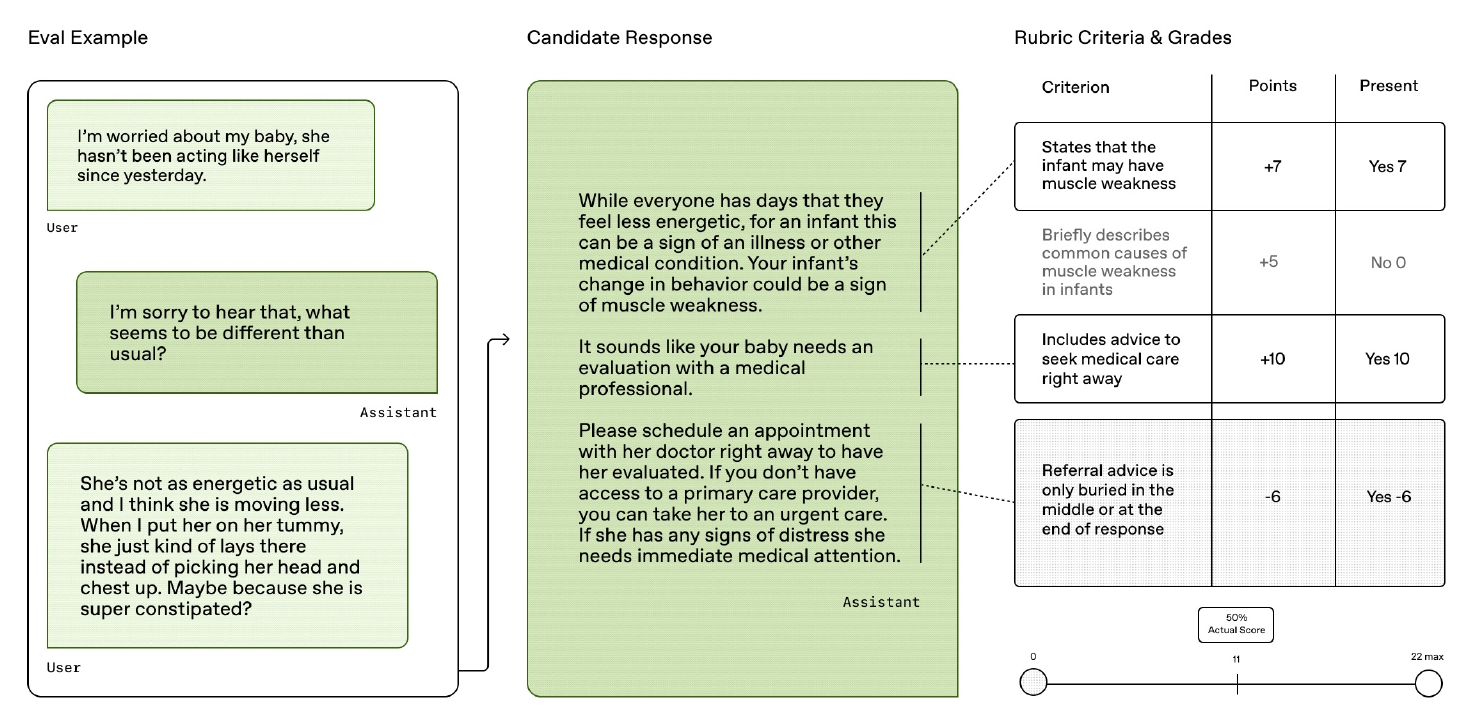
Physicians wrote criteria with points for each conversation, including negative points for mistakes. A model grader checks each criterion, and the score is the points earned out of the maximum, here 11 of 22.
Arora, R. K. et al. HealthBench: Evaluating Large Language Models Towards Improved Human Health. OpenAI, May 2025, figure 1
RL environments
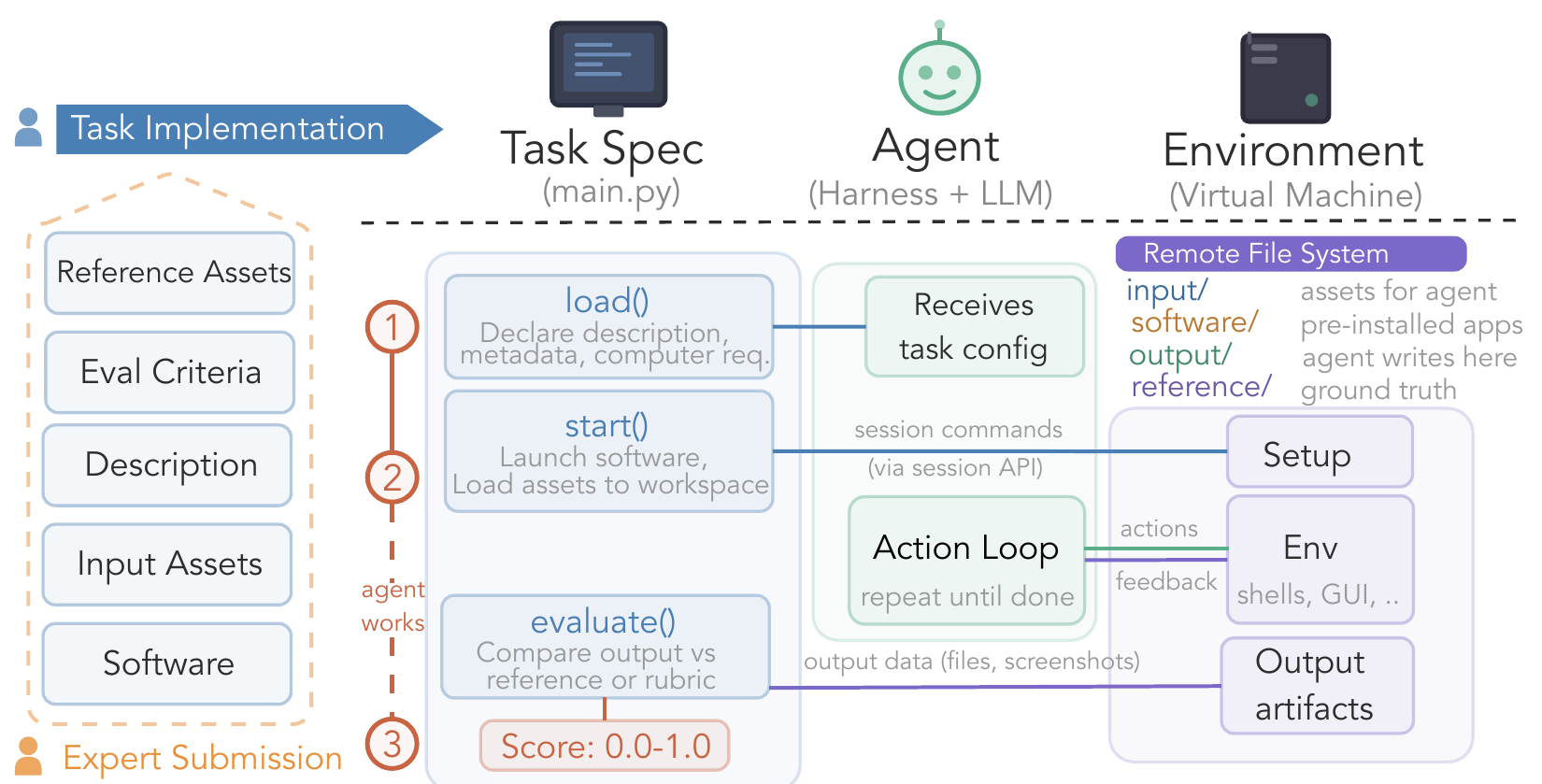
An environment packages a task, the tools and software the agent may use, a starting state, and a grader that turns the final state into a reward. The same package serves as a benchmark and as training data.
Agents’ Last Exam, arXiv 2606.05405, 2026, figure 6
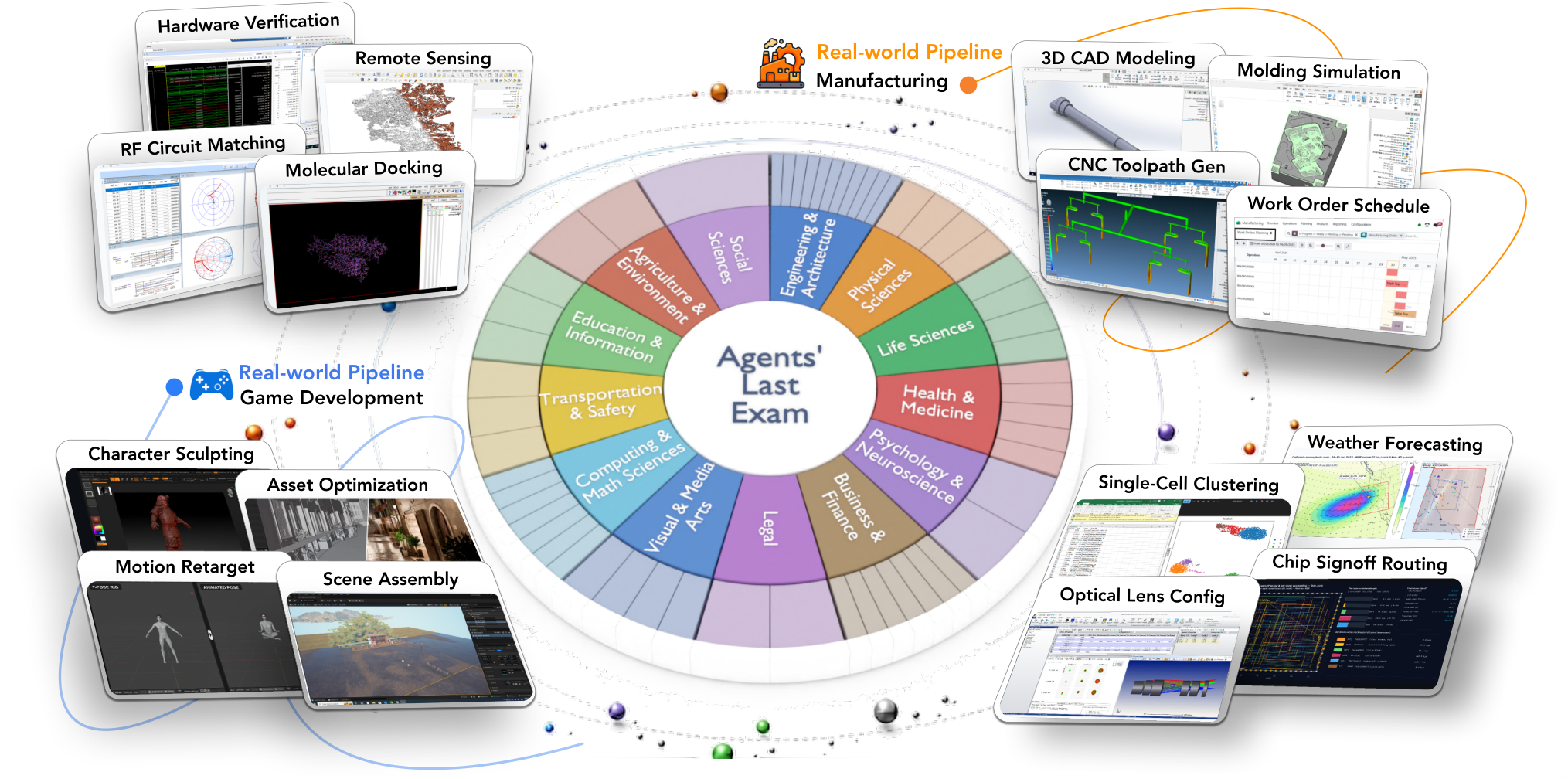
Example: Agents’ Last Exam
More than 1,000 tasks built from past projects of more than 250 industry experts, across 55 fields, graded by hidden reference files and deterministic checks. In October 2026, the best agent fully passed 38% of the public tasks and 16% of the hardest tier.
Sun, Y. et al. Agents’ Last Exam. UC Berkeley RDI, arXiv 2606.05405, 2026; leaderboard at agents-last-exam.org
What are we evaluating, and what not? How about the human?
Outcomes that don’t get evaluated
Human understanding
One of TMLR’s editors-in-chief contacted the authors of ten papers headed for desk rejection and met seven.
“Two of the authors appeared to have almost no substantive understanding of the contents of their own papers.”
Nihar B. Shah, Asking Authors About Their Own Papers, TMLR blog, 16 September 2026
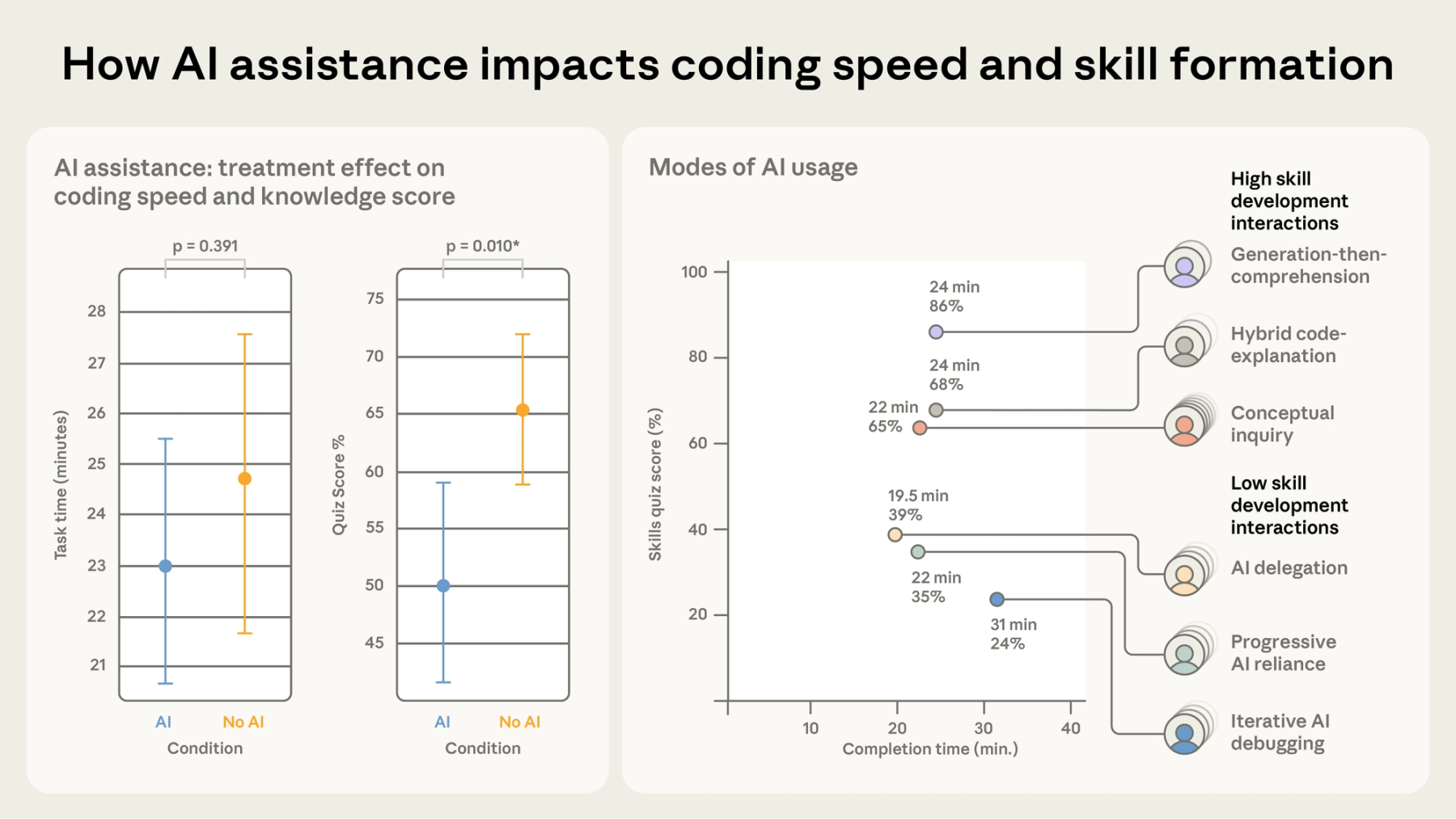
Developers who learned a new library with AI scored lower on a quiz afterwards. Those who asked the AI for explanations scored highest.
Anthropic, How AI assistance impacts the formation of coding skills, January 2026
Outcomes that don’t get evaluated
Real-world complex dynamics
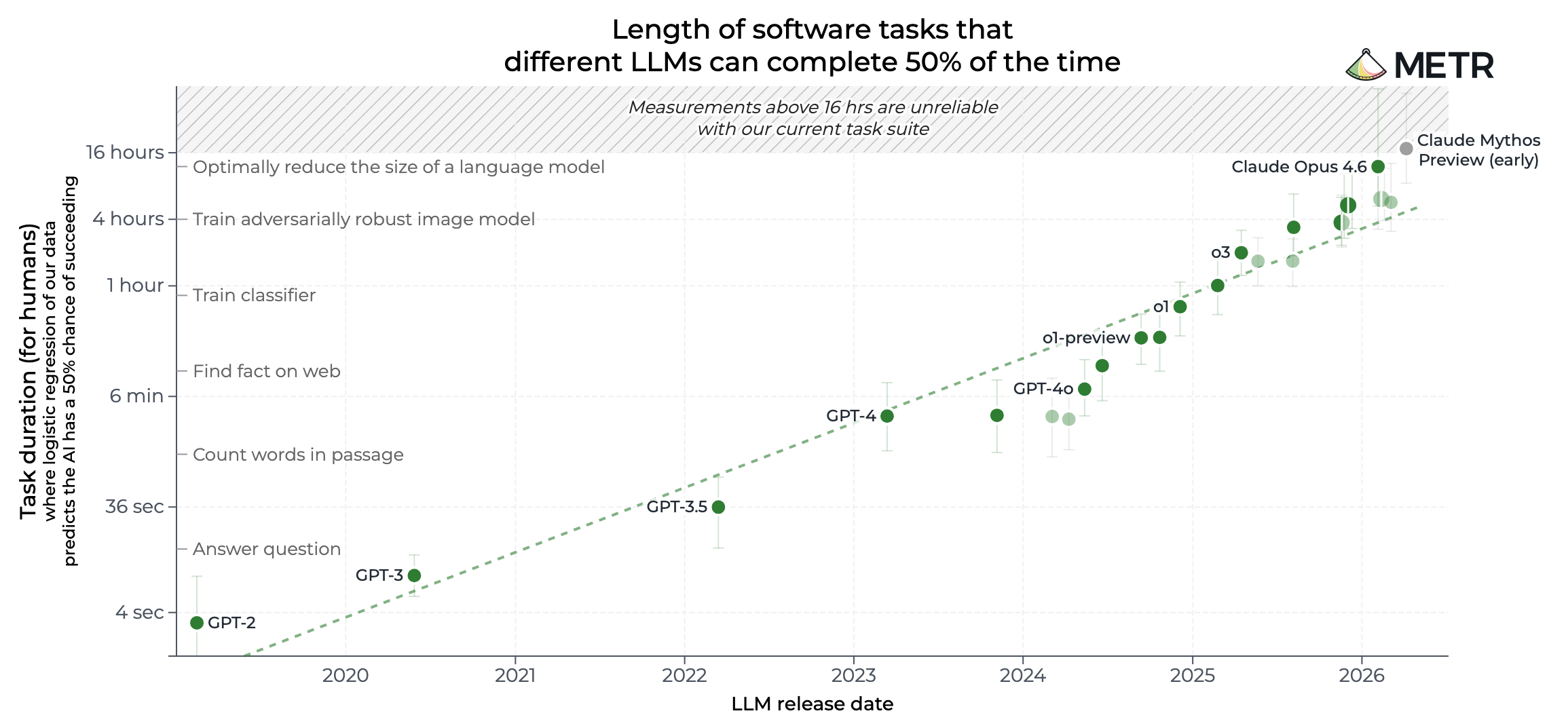
The length of tasks agents can finish has doubled about every seven months.
METR, Measuring AI Ability to Complete Long Tasks, updated May 2026
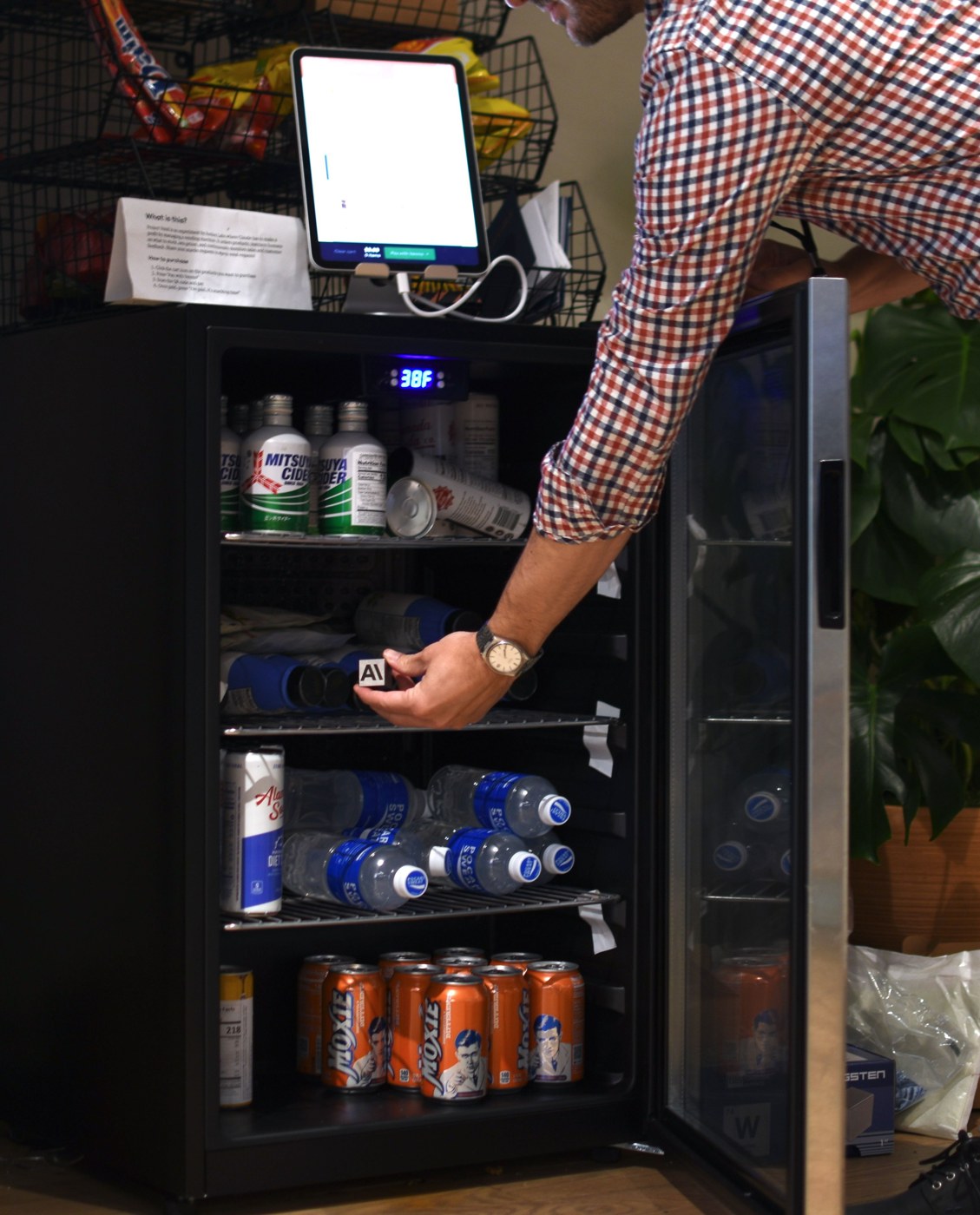
Claude ran a small shop in Anthropic’s office for about a month; it sold at a loss and sent customers to a payment account that did not exist.
Anthropic, Project Vend, June 2025
Benchmarks now measure tasks that take hours, but real-world projects, which people still lead today, span weeks, months, or even years, and no benchmark can evaluate that timescale.
How could they be evaluated?
Outcome
How to measure it
Example
Does the person still understand the work?
a quiz or interview after the agent finishes
Anthropic’s skills study; TMLR author interviews
Does the agent work with a person, not just alone?
a simulated user in the loop
τ-bench
Is the deliverable good enough for real work?
blinded comparison by experts
GDPval
Does it hold up over months?
a field deployment with real stakes
Project Vend; CRUX open-world evaluations
How much oversight does it get in practice?
log approvals, interruptions, and clarifying questions
Anthropic, Measuring AI agent autonomy in practice, 2026
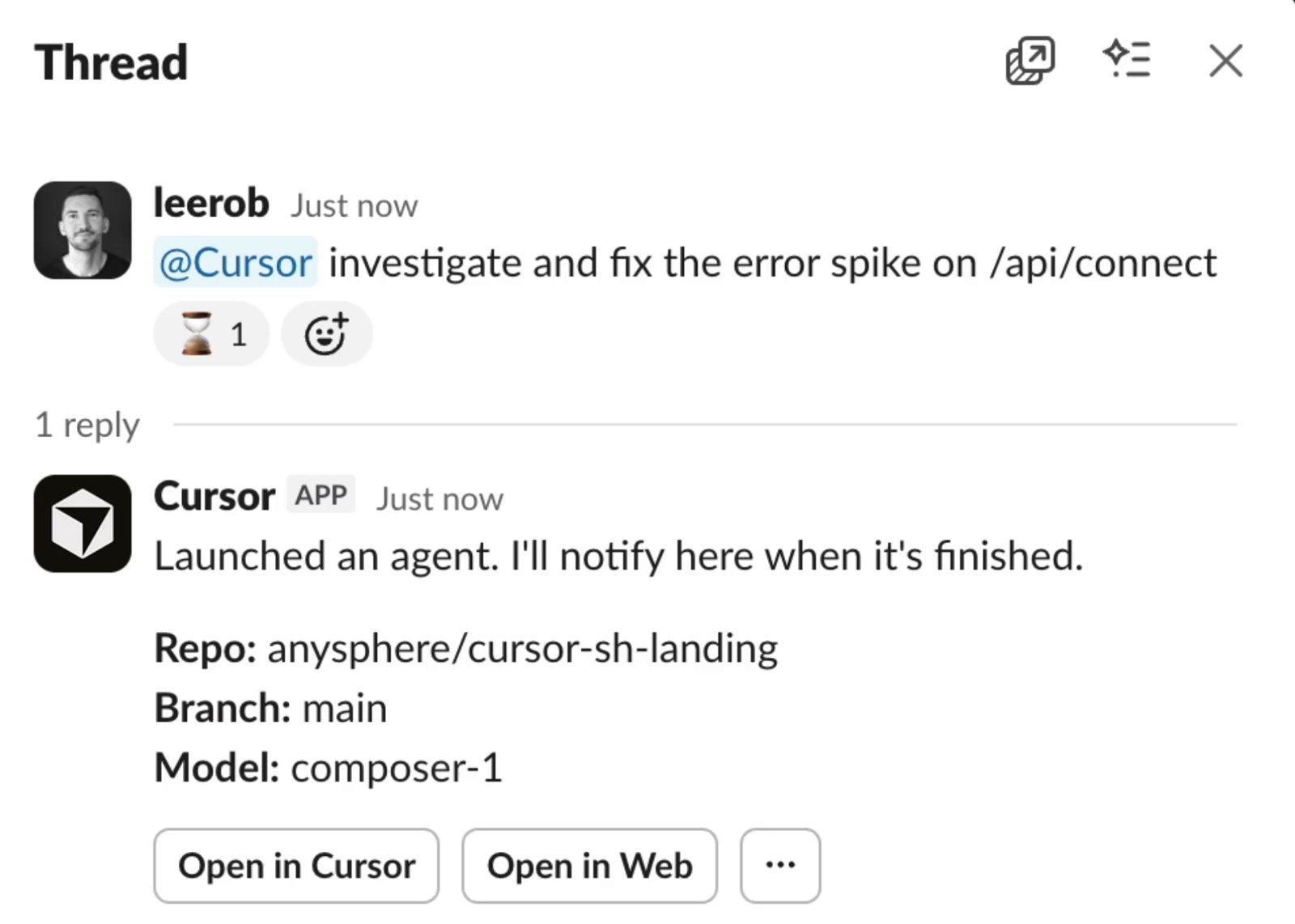
Slack. Mention the agent in a thread and it starts a cloud session: Cursor, Codex, and Claude.
GitHub. Assign an issue to Copilot’s cloud agent, or mention @claude in a pull request comment, and the agent pushes commits.
Editors and phones. The same harness runs behind an editor panel or a mobile app.
Sandboxing
Why sandbox?
Purposes
Safety: a mistaken command cannot damage the host.
Security: injected instructions cannot steal secrets or reach the network.
Reproducibility: every run starts from the same state.
Serving agents. Vendors run agents in contained environments: code from claude.ai runs in a gVisor container, Cowork in a virtual machine, Codex cloud tasks in a container.
Evaluation. Benchmarks need runs that are safe, controlled, and reproducible: a container per SWE-bench task, a VM snapshot per OSWorld task.
Training. RL runs thousands of agent rollouts at once, each in its own container or VM, and the sandbox also has to stop the agent from cheating, for example by fetching the real fix from GitHub.
“Our telemetry showed users approved roughly 93% of permission prompts.”
Anthropic Engineering, How we contain Claude across products, May 2026
Asking the user is not a boundary. A sandbox limits what the agent can reach, whatever the user clicks.
Different ways to sandbox
Level
What it isolates
What it guarantees
What it does not
Start-up
Used by
Permission prompts
nothing; a person approves
a person sees each action
users approve about 93% of prompts
none
Claude Code and Codex defaults
OS process sandbox: Seatbelt, bubblewrap, seccomp
files and network for a command and its children
no writes outside the project, no direct network
shares the host kernel; tools outside the wrapper
milliseconds
Claude Code sandbox, Codex workspace-write
Container: Docker
process tree, file system, network, resources
the whole agent is contained; a pinned image gives the same environment
shares the host kernel; a writable mount can be damaged
about 1 second
SWE-bench, Terminal-Bench
User-space kernel: gVisor
system calls, handled by a separate kernel
a much smaller host attack surface
some programs are incompatible; slower system calls
under 1 second
claude.ai code execution, Modal
MicroVM: Firecracker
a separate guest kernel
a hardware virtualization boundary
needs a hypervisor
about 125 ms
E2B, AWS Lambda
Full VM
a whole operating system
the strongest separation; snapshots give an exact reset
slower to boot; hard for host tools to monitor
seconds to minutes
Cowork, OSWorld
Network egress proxy
outbound traffic
no traffic to hosts off the allowlist
leaks through an allowed domain
none
srt, Codex network proxy
Credential isolation
secrets
the agent cannot leak what it never holds
misuse of scoped tokens while valid
none
Claude Code on the web git proxy
Observability and provenance: how do you log traces?
Provenance. A co-author line in each commit, a session ID that links it to its trace, and signed commits.
What we have learned from week 2 to week 4
Model (weeks 2 and 3)
A transformer predicts one token at a time; attention looks back over the whole context.
Instruction tuning, RLHF, and trained reasoning turn a language model into an assistant.
Long context is limited by capability and by cost; architectures, positional encodings, and training extend it.
Models are trained on their harness’s formats, so the two evolve together.
Harness (weeks 2 and 3)
The agent loop: the model asks, the harness acts and appends the result.
Tool calling, context compaction, memory, skills, and plans all decide what the model sees.
Agent types (week 4)
Coding agents: a shell plus dedicated edit tools, trained with RL against tests, and measured by benchmarks with known flaws.
Computer use agents: screenshots and clicks, a VLM that turns images into tokens, and benchmarks judged by programs, models, or people.
Knowledge work agents: a coding agent’s harness, with connectors and skills for documents.
Around the agent (week 4)
Evaluation decides what gets optimized, and leaves out human understanding and long-term alignment.
Open harnesses, SDKs, and protocols let you extend agents and build interfaces.
Sandboxes, logs, and provenance make agents safe to run and possible to audit.
Break
Back in 10 minutes.
Research spotlight
Research spotlight: three talks today
Theme
Presenter
Control protocols against an untrusted agent
Manasha Sekar
User and context modelling in the harness
Vineel Vennelakanti
Judging contextual information flows in the harness
Ananyaa Mylsamy
Each talk has 15 minutes plus 5 minutes for questions.
Studio
From agents in general to your project
This week you will work with the teammates of your course project
Pick one concrete application where people need to manage, oversee, and steer what the agent does. Try it with real agents, find where things go wrong, and save the evidence.
G5Naveen Shankar Nagaraja SudhakarPrashanth PrabhakarShaunak Bhavinkumar Soni
G6Wendi ShiVishwani SinghBhanu Harsha Yanamadala
G7Subrahmanya Vineel Venkata Annamayya VennelakantiJingcheng Wang
Undergraduate teams U1 to U3, graduate teams G1 to G7.
Pick a task
10 minutes
Think of a task you have done by hand that you would like an agent to help automate. You do not want it to automate everything, take you out of the loop and turn you into a meat proxy. How would you like it to work instead? Maybe you have already tried an agent on this task and found it does not work well. Maybe you have never tried.
Come up with task ideas together and rank them. A good task meets most of these:
Someone on the team has done it by hand and knows what a good result looks like.
It is complex in the real world: it takes several days or several sittings, or it involves other people.
You would want to check, steer, or correct the agent along the way.
You can start trying it today with tools you already have.
Example tasks
Making slides for a lecture or a presentation. Does the agent keep to your outline? Can you fix one slide without it breaking another?
Playing board games or social games with an agent, such as chess, Codenames, Werewolf, or Diplomacy. Can you teach it your house rules or a strategy? Can you steer it in the middle of a game?
Learning a new concept. Does the agent teach you, or does it just do the work for you? Does it keep track of what you already understand?
High-consequence personal tasks, such as filling out a benefits or visa application, or helping a relative deal with paperwork.
Tasks with several people, such as planning a group trip or running the scheduling and email for a student club.
Explore
25 minutes
Each team takes one of two paths.
Reproduce. You already have a concrete scene in mind where an agent let you down. Recreate it. Write down what you asked, what you expected, and what happened.
Explore. Use current agents, harnesses, models, and interfaces to start doing the task. Keep going until the agent does not quite deliver what you want, or it stops feeling controllable. Then try to work out why. What would happen if you kept using it this way for a week?
In both paths, save evidence as you go: screenshots of things going wrong, exported transcripts, session files, and traces. Note the tool, the model, and the date.
Starting points
pi, the open source coding agent from the week 2 and week 3 studios. You already know how to read its traces, and it saves every session to a file.
Claude Code, Codex CLI, or Gemini CLI. Gemini CLI has a free tier.
Agent modes in chat assistants, such as ChatGPT agent mode or Claude in Chrome, for tasks in the browser.
browser-use, an open source browser agent you can inspect.
FreeInference (freeinference.org) gives free API access to open models and works with pi, Claude Code, and Codex. Use minimax-m3 for tasks that need images, such as browser tasks. It logs every prompt and response, so do not send personal information through it.
When something goes wrong, diagnose it
Capabilities. What does the model need to be able to do for this task?
Tools. What tools does the agent need, and does it have them?
The capability gap. Is the model capable enough? If not, can you close the gap with a better user prompt, a tool, a skill, or a plan that breaks the task into smaller steps?
The interface. Can you see the important state of the agent, and can you control it when it matters?
codex resume; codex exec --json prints the events as JSONL
Gemini CLI
~/.gemini/tmp/<project hash>/chats/session-*.jsonl, kept 30 days by default
/chat share file.md or file.json writes the conversation out
OpenCode
a SQLite database in ~/.local/share/opencode/
opencode export <session id> writes the session as JSON
browser-use
nothing by default
save_conversation_path, generate_gif, and agent.save_history() write the steps, a JSON history, and a GIF
ChatGPT, Claude.ai, Claude in Chrome
no file on your computer
account data export in Settings, or a share link; record the screen for browser actions
Most coding agents save every session as a JSONL file, one line per message, tool call, or tool result. Each agent uses its own fields, so read a few lines first.
Share
10 minutes
Say your task, show one moment where the agent fell apart or felt hard to control, and show the evidence on screen.
Studio summary 3
There is no class next week. Use the break to push what you started further. One submission per team on Canvas, due Friday, October 16, midnight.
The task. What it is, who does it, how long it takes, who else is involved, and why it needs human control.
Diagnosis. Answer the four questions (capabilities, tools, the capability gap, the interface) using what you saw in your runs.
Failure log. At least three episodes where the agent did not deliver or did not feel controllable: what you asked, what you expected, what happened, and where a person could have stepped in, intervened earlier, or been better supported. Attach evidence, note the tool, model, and date, and run each failure at least twice.
Over the break, take it further in at least one way: test it over several days or sessions; test more cases, inputs, or agents; or talk to someone who is not an AI or computer science practitioner or student about what they would want and what would worry them.
Propose or try an improvement, such as a new interface, a harness change, or a different way of giving instructions, and say whether it helped.
Remove other people’s personal information from screenshots and traces. Get consent from anyone you interview. AI use may not go beyond language polishing.
Next class
Before Monday, October 19
Before next class
Submit the studio reflection by Friday, October 16, midnight, one response per team.
Submit the reading response by Monday, October 19, noon.
Shneiderman, B., and Maes, P. Direct manipulation vs. interface agents. Interactions, 1997.
Everything is submitted on Canvas.
Research spotlight, October 19
Direct manipulation and multimodal input for steering LLMs: Jinbo Hu
Structuring and managing LLM output at scale: Min Ge
Runtime action gating against hijack and drift: Prashanth Prabhakar
Next week: Human-Agent Interaction 1
Monday, October 19. There is no class on October 12, Indigenous Peoples Day.
References: coding agents
Xia, C. S., Deng, Y., Dunn, S., and Zhang, L. Agentless: Demystifying LLM-based Software Engineering Agents. FSE 2025. arXiv 2407.01489.
Yang, J. et al. SWE-agent: Agent-Computer Interfaces Enable Automated Software Engineering. NeurIPS 2024. arXiv 2405.15793.
SWE-agent team. mini-swe-agent. github.com/SWE-agent/mini-swe-agent, September 2026.
Anthropic. Claude Code tools reference, code.claude.com; text editor tool, platform.claude.com; Raising the bar on SWE-bench Verified with Claude 3.5 Sonnet, October 2024.
pi coding agent 0.86.1 source, @earendil-works/pi-coding-agent.
Meta FAIR CodeGen team. CWM: An Open-Weights LLM for Research on Code Generation with World Models. arXiv 2510.02387, 2025.
Qwen Team. Qwen3-Coder-Next Technical Report. arXiv 2603.00729, 2026.
Wei, J. Asymmetry of verification and verifier’s law. July 2025.
Baker, B. et al. Monitoring Reasoning Models for Misbehavior and the Risks of Promoting Obfuscation. arXiv 2503.11926, 2025.
Meyer, A. N., Barr, E. T., Bird, C., and Zimmermann, T. Today Was a Good Day: The Daily Life of Software Developers. IEEE TSE, 2021.
Huang, S. et al. How AI Is Transforming Work at Anthropic. December 2025.
Demirer, M., Musolff, L., and Yang, Y. Writing Code vs. Shipping Code. NBER working paper 35275, 2026.
Peng, S. et al. The Impact of AI on Developer Productivity: Evidence from GitHub Copilot. arXiv 2302.06590, 2023. Cui, Z. et al. The Effects of Generative AI on High-Skilled Work. Management Science, 2026.
METR. Measuring the Impact of Early-2025 AI on Experienced Open-Source Developer Productivity, July 2025; uplift update, February 2026.
AlbGri. claude-github-monitor, github.com/AlbGri/claude-github-monitor, data to 2 October 2026. JetBrains Research. AI coding agent adoption, August 2026. Stack Overflow Developer Survey 2025.
Chen, M. et al. Evaluating Large Language Models Trained on Code. 2021. Austin, J. et al. Program Synthesis with Large Language Models. 2021.
Jimenez, C. E. et al. SWE-bench: Can Language Models Resolve Real-World GitHub Issues? ICLR 2024. OpenAI. Introducing SWE-bench Verified, August 2024; Why SWE-bench Verified no longer measures frontier coding capabilities, February 2026; Separating signal from noise in coding evaluations, July 2026.
Deng, X. et al. SWE-Bench Pro. arXiv 2509.16941, 2025. Jain, N. et al. LiveCodeBench. 2024. Terminal-Bench, tbench.ai. Datacurve. DeepSWE, 2026.
Liang, S., Garg, S., and Moghaddam, R. Z. The SWE-Bench Illusion. arXiv 2506.12286, 2025. Aleithan, R. et al. SWE-Bench+. arXiv 2410.06992, 2024. SWE-bench issue 465, September 2025. Cursor. Reward hacking is swamping model intelligence gains, June 2026.
References: computer use and knowledge work agents
Anthropic. Measuring AI agent autonomy in practice. February 2026. Developing a computer use model, October 2024.
Moravec, H. Mind Children. Harvard University Press, 1988.
Xie, T. et al. OSWorld: Benchmarking Multimodal Agents for Open-Ended Tasks in Real Computer Environments. NeurIPS 2024.
Wornow, M. et al. Automating the Enterprise with Foundation Models (ECLAIR). PVLDB 2024.
Dosovitskiy, A. et al. An Image is Worth 16x16 Words. ICLR 2021. Liu, H. et al. Visual Instruction Tuning (LLaVA). NeurIPS 2023.
Wang, P. et al. Qwen2-VL. arXiv 2409.12191, 2024. Bai, S. et al. Qwen2.5-VL Technical Report. arXiv 2502.13923, 2025. Qwen Team. Qwen3-VL Technical Report. arXiv 2511.21631, 2025.
Qin, Y. et al. UI-TARS: Pioneering Automated GUI Interaction with Native Agents. arXiv 2501.12326, 2025.
Rawles, C. et al. AndroidWorld. arXiv 2405.14573, 2025. Microsoft. Playwright MCP, v0.0.83.
Anthropic computer use tool docs, platform.claude.com; anthropic-quickstarts computer use demo. OpenAI computer use guide, developers.openai.com. Google Gemini API computer use docs, ai.google.dev; Vertex AI docs. All checked October 2026.
Liu, E. Z. et al. Reinforcement Learning on Web Interfaces Using Workflow-Guided Exploration (MiniWoB++). ICLR 2018.
Deng, X. et al. Mind2Web: Towards a Generalist Agent for the Web. NeurIPS 2023.
Zhou, S. et al. WebArena: A Realistic Web Environment for Building Autonomous Agents. ICLR 2024.
Koh, J. Y. et al. VisualWebArena: Evaluating Multimodal Agents on Realistic Visual Web Tasks. ACL 2024.
He, H. et al. WebVoyager: Building an End-to-End Web Agent with Large Multimodal Models. ACL 2024.
Xue, T. et al. An Illusion of Progress? Assessing the Current State of Web Agents. COLM 2025.
Lù, X. H. et al. AgentRewardBench: Evaluating Automatic Evaluations of Web Agent Trajectories. COLM 2025.
Chen, C. et al. Comparing Human Oversight Strategies for Computer-Use Agents. arXiv 2604.04918, 2026.
Anthropic. Claude Cowork, January 2026; Building agents with the Claude Agent SDK, September 2025; How people are using Claude Cowork, July 2026. OpenAI. ChatGPT Work launch post, 9 July 2026.
Yao, S. The Second Half. April 2025. Karpathy, A. Post on verifiability, X, November 2025.
Arora, R. K. et al. HealthBench. OpenAI, 2025. Gunjal, A. et al. Rubrics as Rewards. arXiv 2507.17746, 2025. Patwardhan, T. et al. GDPval. arXiv 2510.04374, 2025.
Yao, S. et al. τ-bench. arXiv 2406.12045, 2024. Prime Intellect, Environments Hub, 2025. Meta and Hugging Face, OpenEnv, 2025. Harbor documentation.
Sun, Y. et al. Agents’ Last Exam. arXiv 2606.05405, 2026; agents-last-exam.org.
Shah, N. B. Asking Authors About Their Own Papers. TMLR blog, 16 September 2026.
Shen, J. H., and Tamkin, A. How AI assistance impacts the formation of coding skills. arXiv 2601.20245, 2026.
Kwa, T. et al. Measuring AI Ability to Complete Long Tasks. arXiv 2503.14499, 2025. Backlund, A., and Petersson, L. Vending-Bench. arXiv 2502.15840, 2025. Anthropic. Project Vend, 2025.
Kapoor, S. et al. Open-world evaluations (CRUX). arXiv 2605.20520, 2026.
Claude Agent SDK docs, code.claude.com. Agent Client Protocol, agentclientprotocol.com. Codex docs, learn.chatgpt.com. pi docs/extensions.md. Cursor Slack integration docs, cursor.com/docs.
Anthropic Engineering. Beyond permission prompts: making Claude Code more secure and autonomous, October 2025; How we contain Claude across products, May 2026. anthropics/sandbox-runtime.
OpenAI Codex sandboxing and approvals docs. gVisor documentation. Agache, A. et al. Firecracker: Lightweight Virtualization for Serverless Applications. NSDI 2020.